

Kalakar Walks
Read the city on foot
Small-group walks that treat Agra’s monuments and mohallas as texts — in design, craft, empire, food and the lives usually left out of the guidebook. Led by people who research this city, not recite it.
Every walk starts from a question
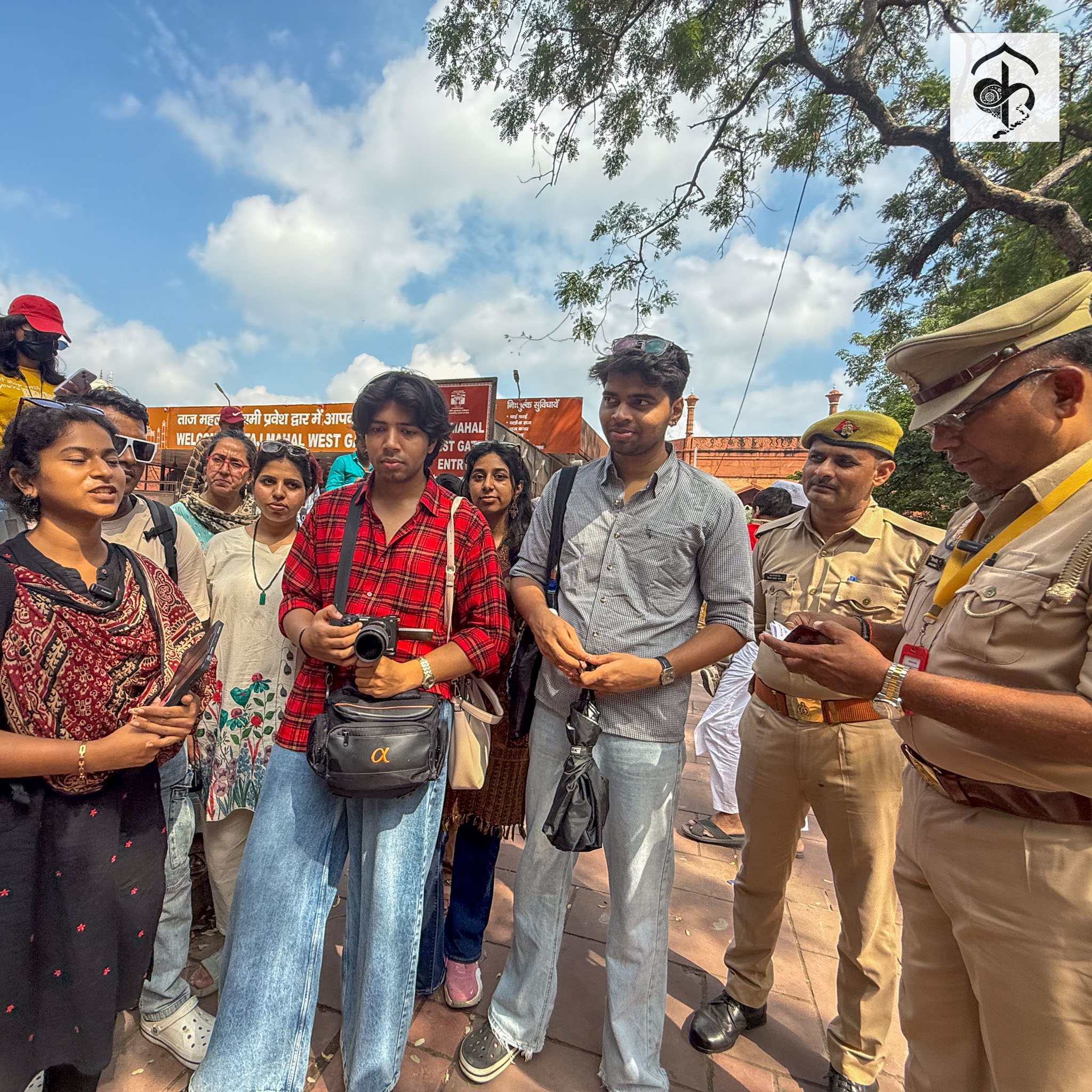
How was the Taj actually built, and by whom? or What did Agra look like before the Mughals and the British? A Kalakar Walk runs two to four hours with a researcher-storyteller — you stop where the story is, walk through the neighbourhoods that made the monuments possible, and leave seeing the city differently.
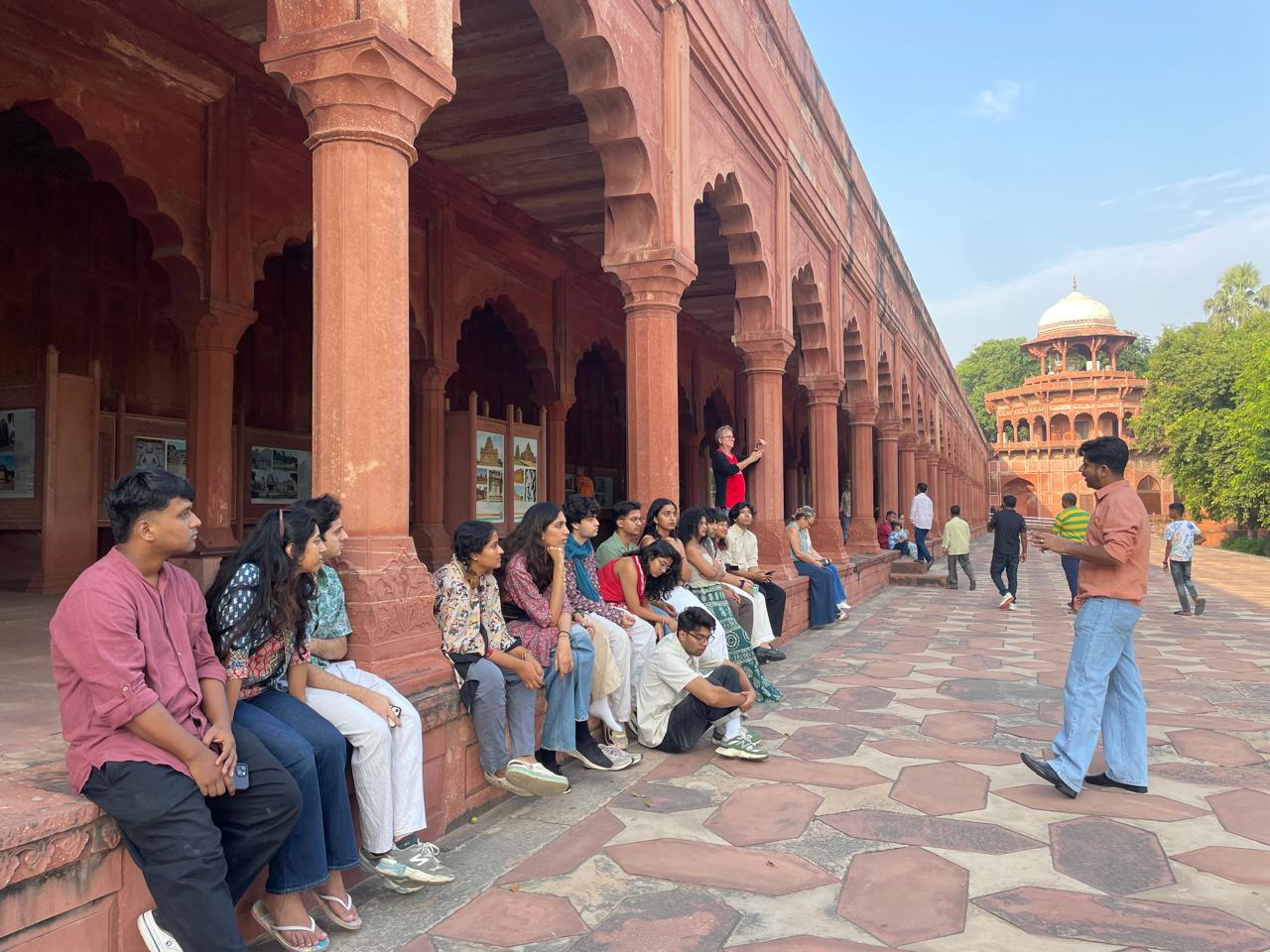
Storytellers who did the reading
Our walk leaders are historians, architects, designers and writers who have spent years with Agra’s archives, buildings and communities. You get their research, their arguments and their open questions — not a memorised script.
Built for small groups
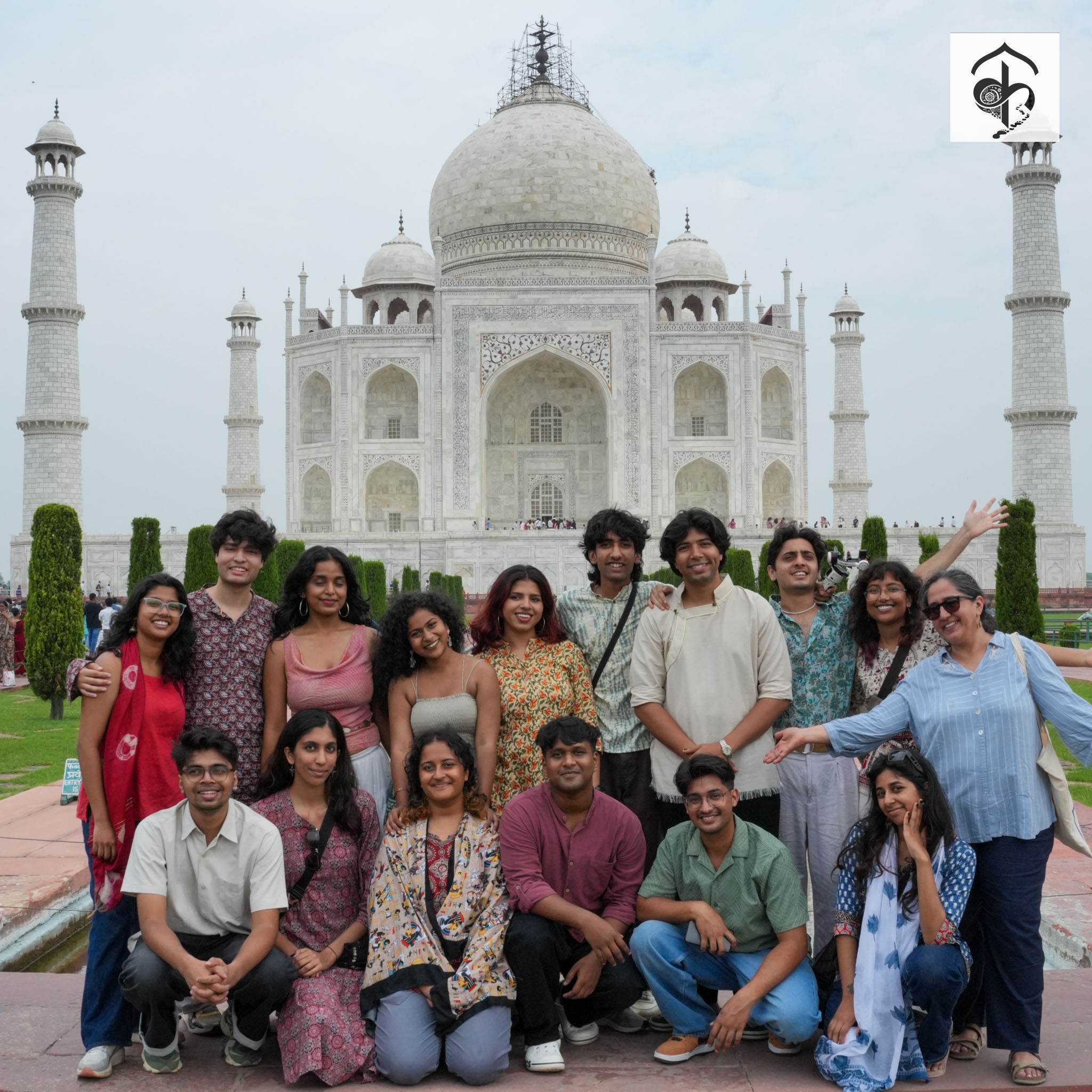
Walks run for two or more. The smaller the group, the more it becomes a conversation. Per-person rates step down for groups of four and nine — useful for families, school classes and tour operators.
The city, not just the sites
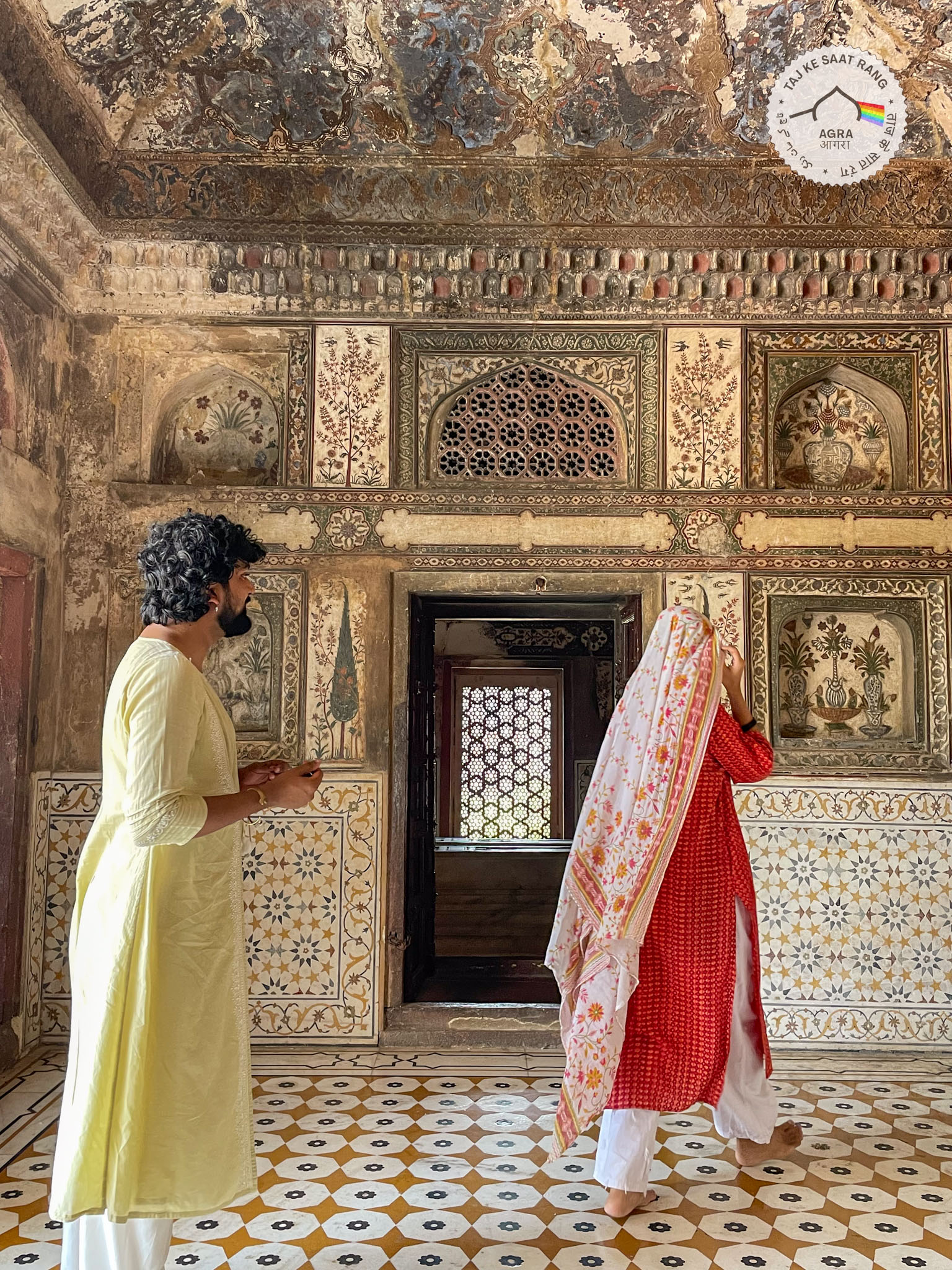
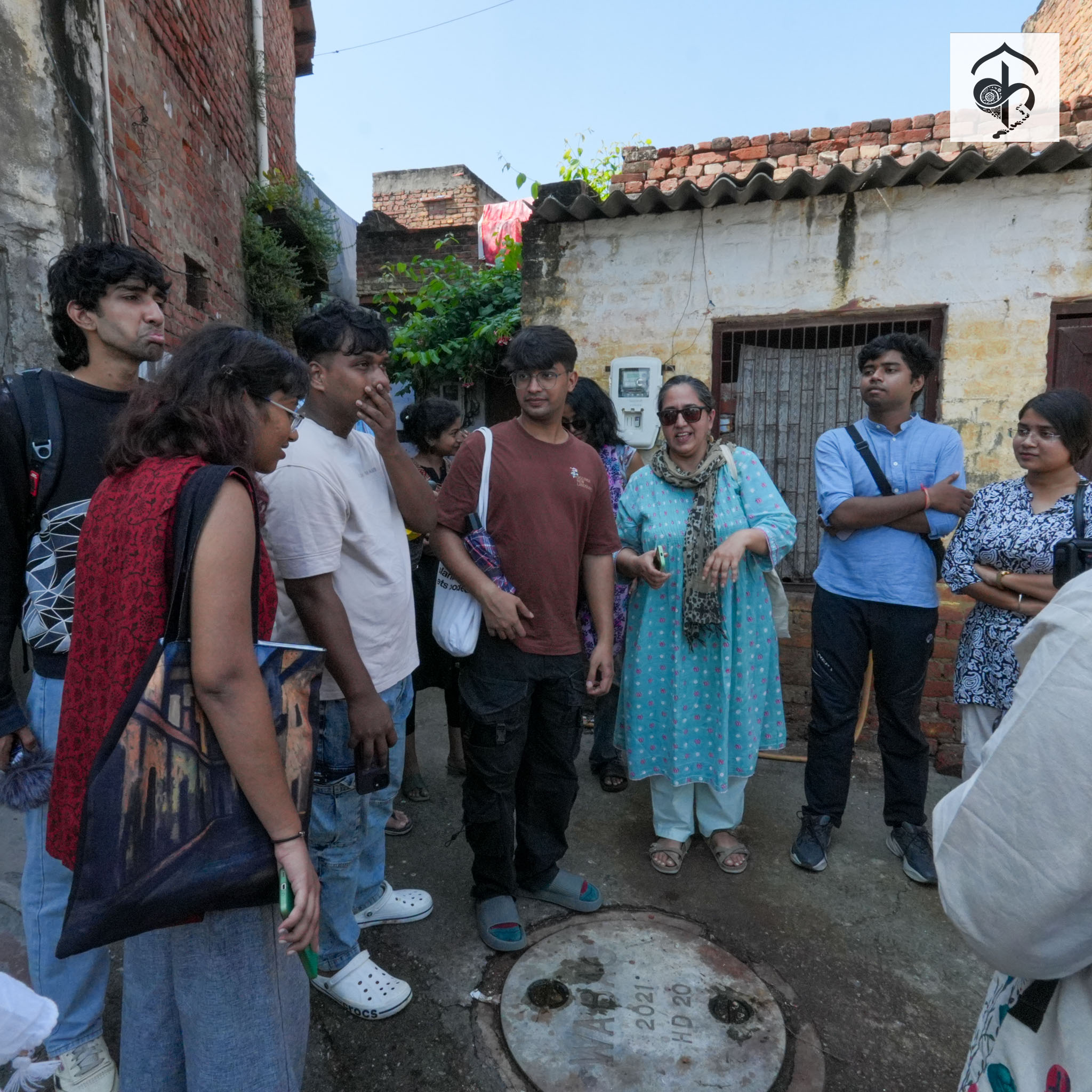
Some walks are inside a monument. Some move through markets, kitchens, workshops and lanes — the living city, where the craft and the cooking and the trade still happen. But all are contextualised with how everything developed with people and city.
Walk Agra with someone who’s done the reading
Pick a walk, set your group size, and book online. Or message us to build a private one for your family, class or group.
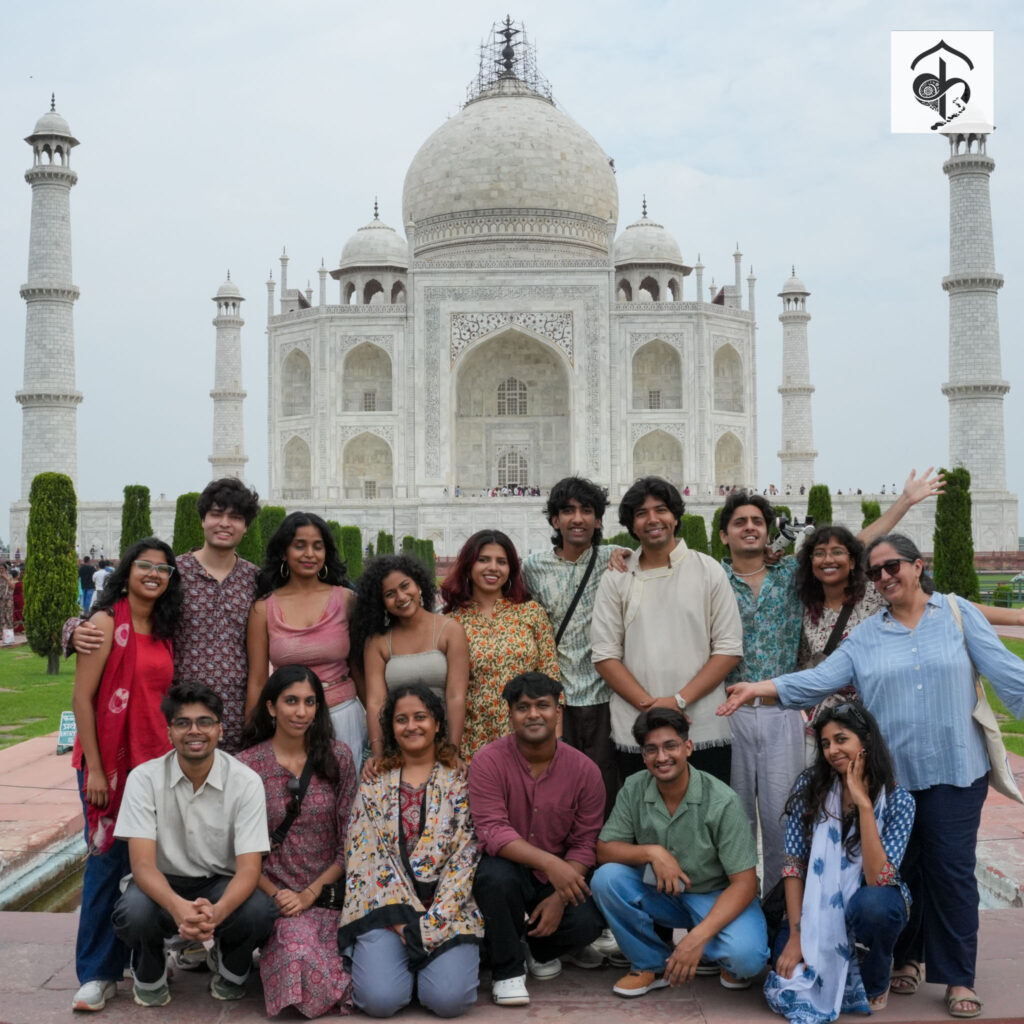
Taj Mahal: The Making of a Wonder
How a tomb became the world’s most famous building — the labour, the money, the marble, the myth. 2.5 hours, mornings.
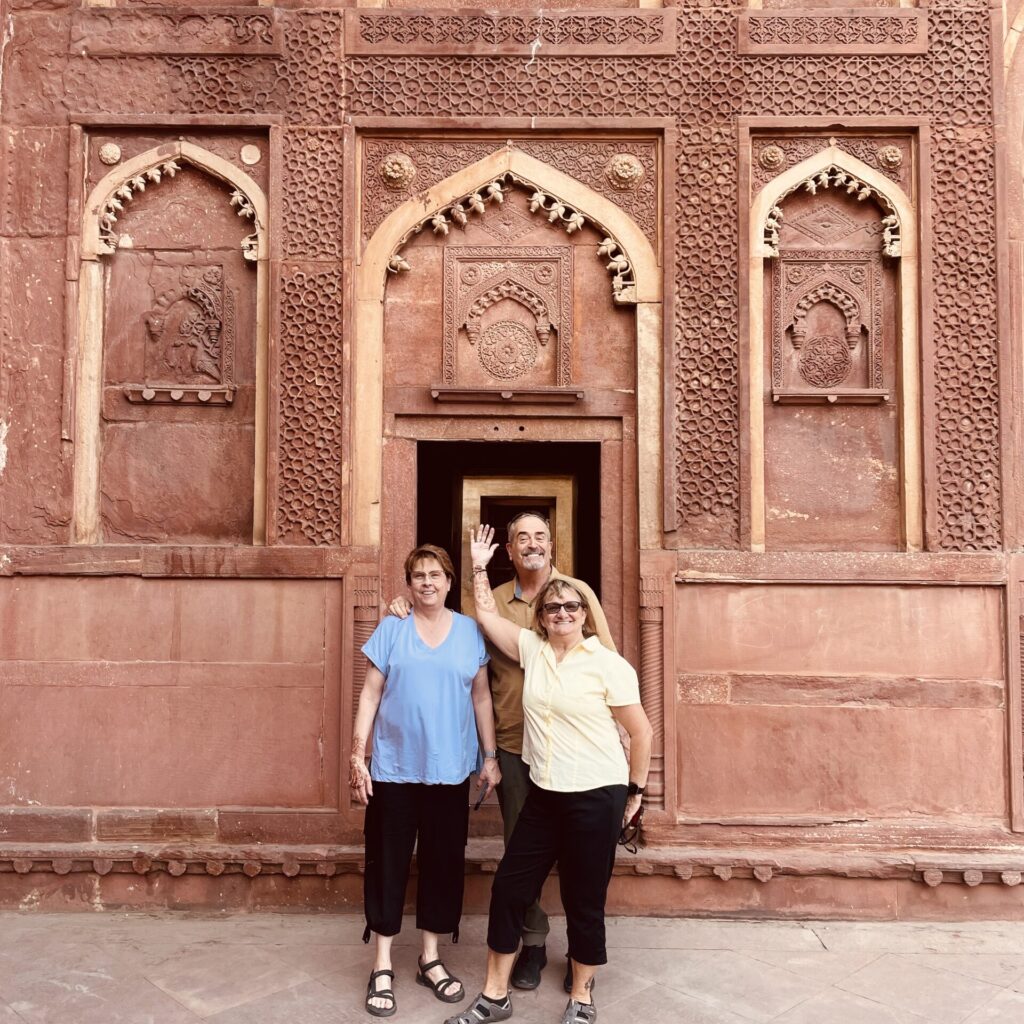
Agra Fort: The Many Lives of a Fort
Military stronghold, imperial capital, British garrison, ticketed monument — one building, four centuries. 2 hours.
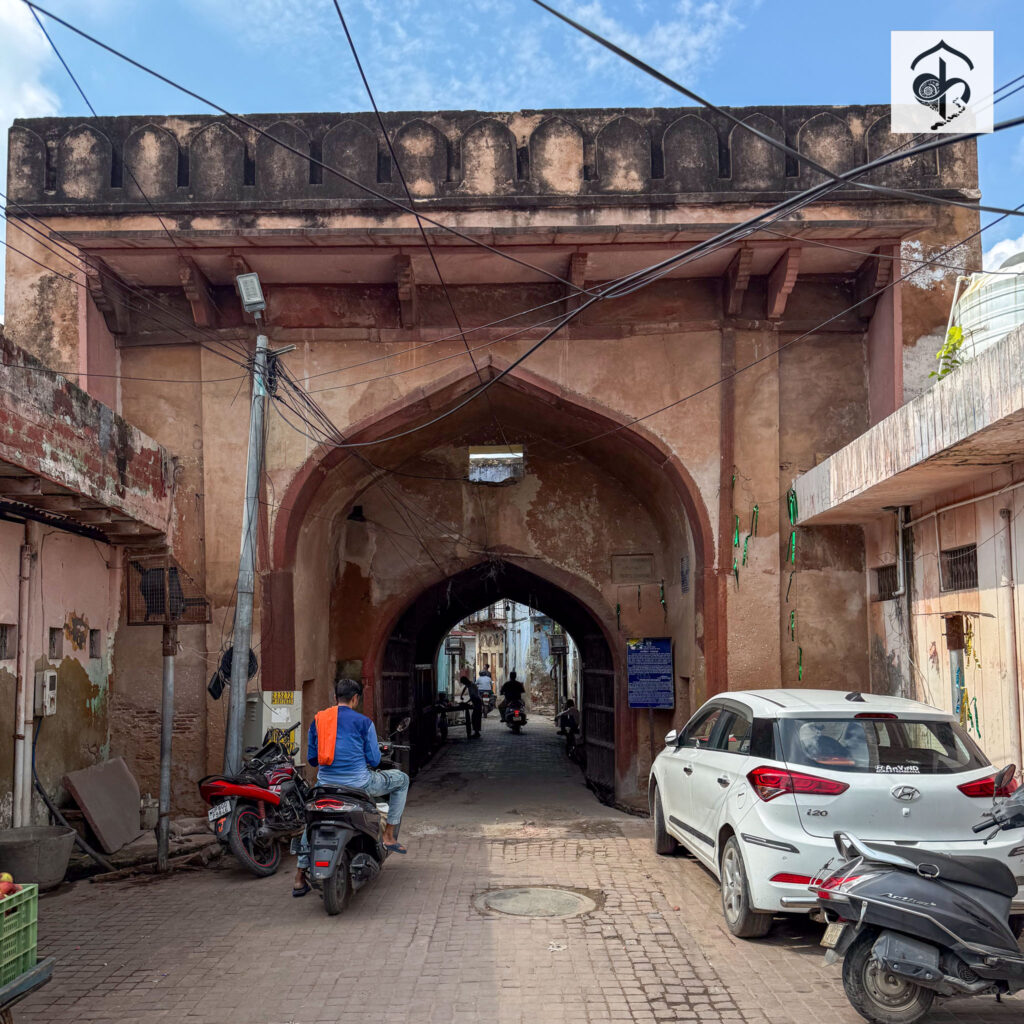
Agra Old City: Design, Life & Stories
Tajganj and the lanes around it — how a Mughal neighbourhood is built, and who keeps it running. 2.5 hours.

Mughal Jewellery Walk
Silver, gold and stone in the bazaars where Agra’s jewellers still work to Mughal patterns. 2.5 hours.
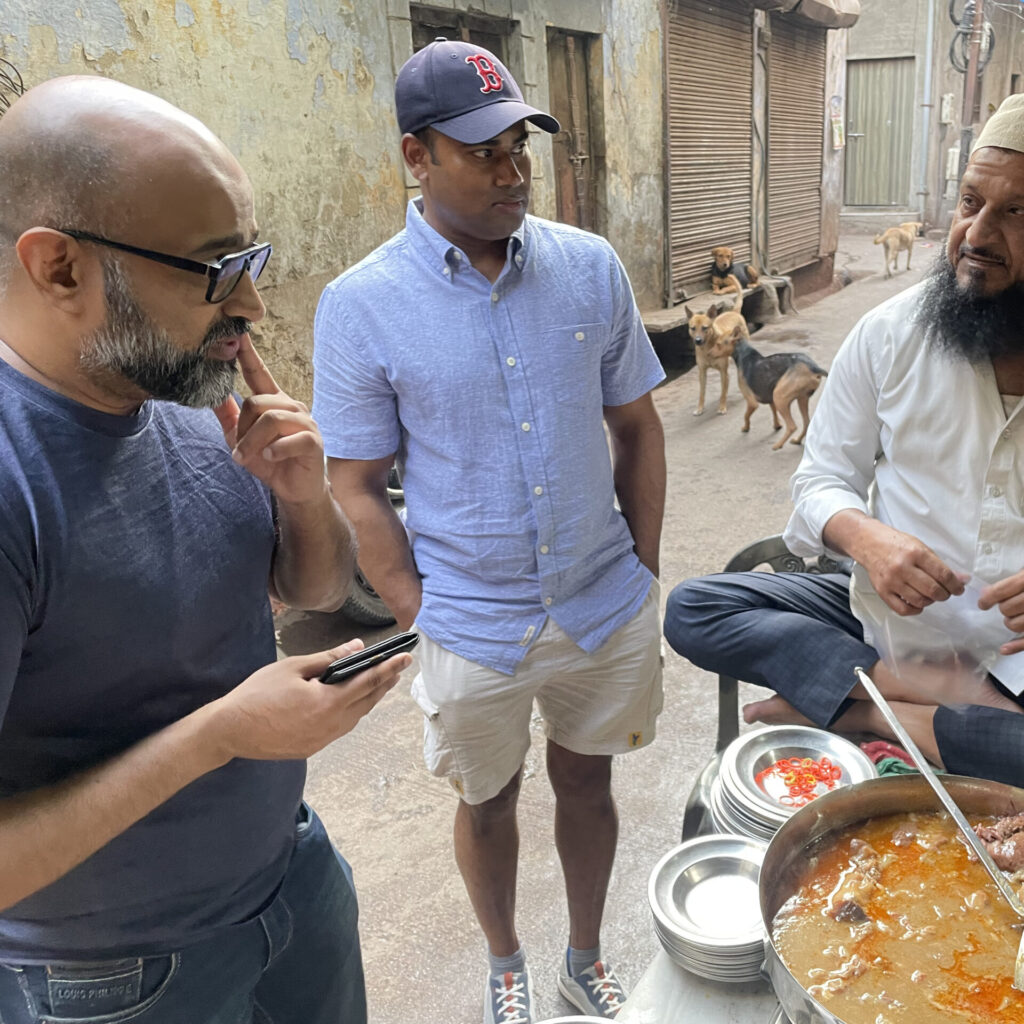
Flavours of Agra: A Food Walk
Petha, dalmoth, bedai and the Mughlai and Braj kitchens in between. 2.5 hours.
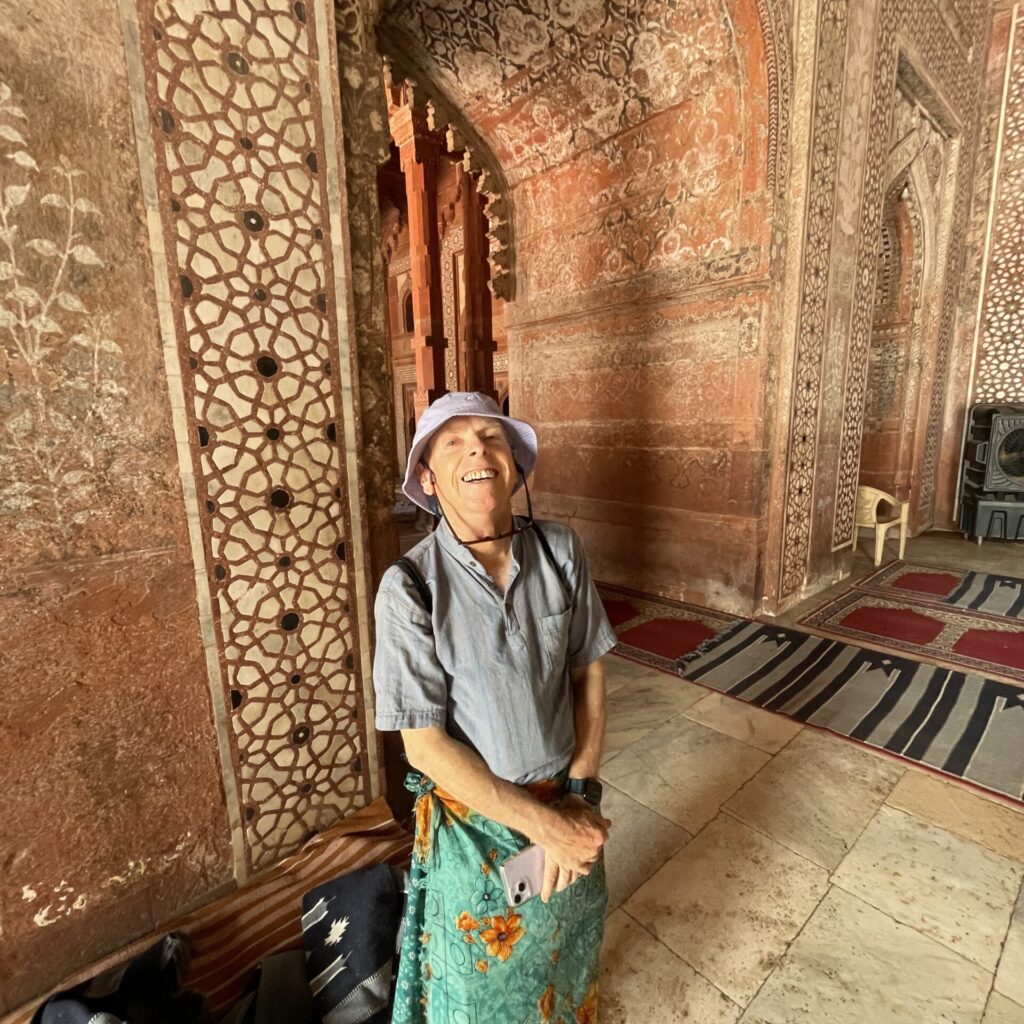
Fatehpur Sikri: In the Presence of a Sufi
Akbar’s abandoned capital and the saint it was built around. A half-day trip out of the city. 4.5 hours.
What guests say
From people who’ve walked Agra with us
How many people can join a walk?
From two. Most walks cap at fifteen to keep it a conversation. Larger groups, schools and tour operators — talk to us and we’ll arrange it.
What should I wear, and how fit do I need to be?
Comfortable shoes and clothes you can walk in for two to four hours, plus sun cover in summer. The pace is easy with plenty of stops. Fatehpur Sikri and the cycling walk are more demanding — that’s noted on each walk.
Do walks include monument tickets?
Yes. Entry to the Taj, the Fort and other monuments is included in the ticket ( unless specified ). We like to make these experiences seamless for you.
Can you build a private or themed walk?
Yes — for families, schools, universities and companies. Tell us the theme and the group size and we’ll design it. Group rates apply from four people.
When do walks run, and what about the weather?
Early morning to mid-afternoon, year-round; summer walks start at 6 AM. If heavy rain or heat makes a walk unsafe we’ll reschedule or refund — your guide will be in touch.