
Why Taj ke Saat Rang Exists: Reclaiming Space, Rewriting Presence
What happens when a space known for one kind of love begins to hold many?
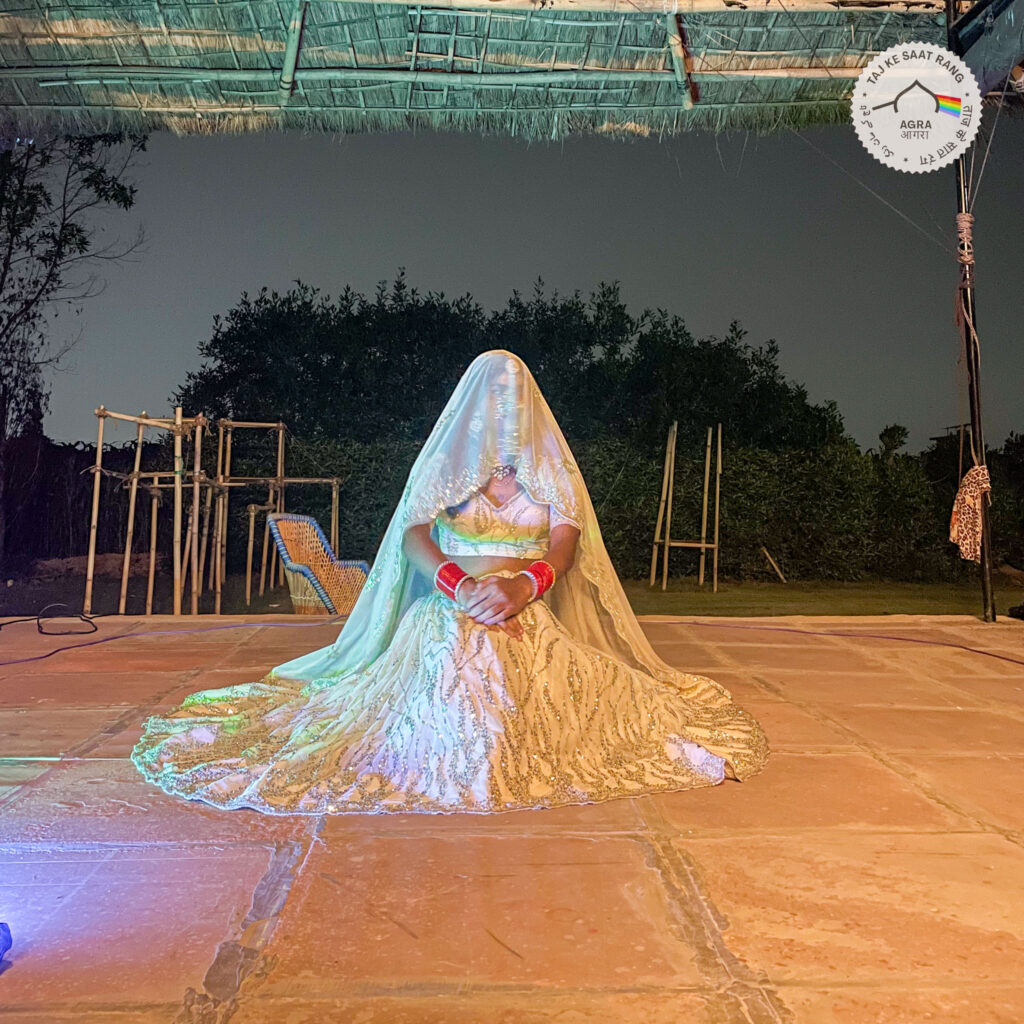
Taj ke Saat Rang began as a question—one that sits at the intersection of culture, identity, and belonging. Why are monuments, cities, and cultural narratives shaped around only one version of identity? Why does queerness remain invisible in places that define history, romance, and cultural memory—especially in cities like Agra, home to the Taj Mahal, one of the most iconic symbols of love in the world?
In India, heritage spaces are not just physical—they are emotional, symbolic, and deeply political. They shape how we understand love, relationships, and identity. Yet, these spaces have historically excluded queer narratives. In cities like Agra, where tourism, history, and identity intersect, this absence becomes even more visible.
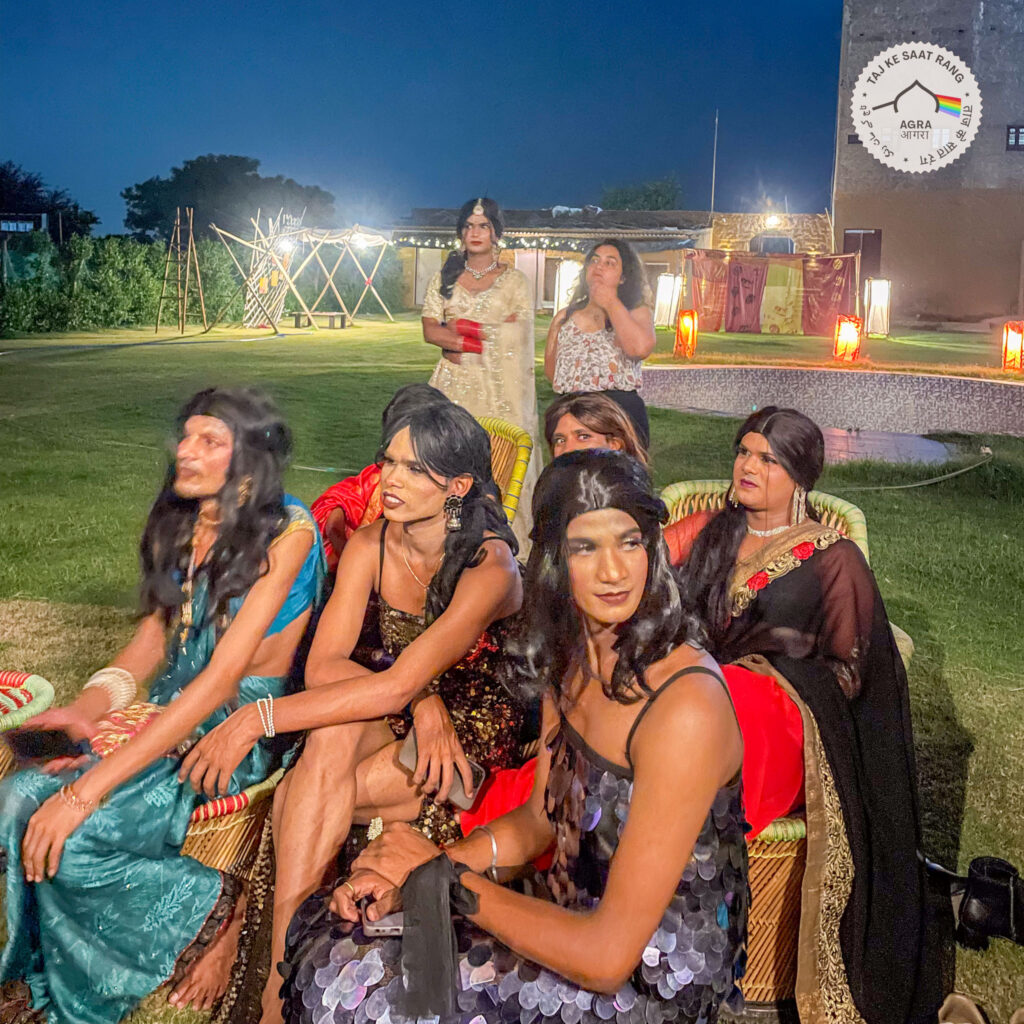
The invisibility of queer lives in such spaces is not accidental—it is structural. It exists in silence, in omission, in the absence of representation, and in the stories we are never told. It is present in the way public spaces are used, in who feels safe occupying them, and in whose love is considered worthy of visibility.
Taj ke Saat Rang, a queer cultural festival in Agra, emerges as a response to this absence.
It is not just about visibility—it is about presence. A presence that is quiet, lived, and undeniable. A presence that does not seek permission, but exists as a natural part of the cultural fabric.
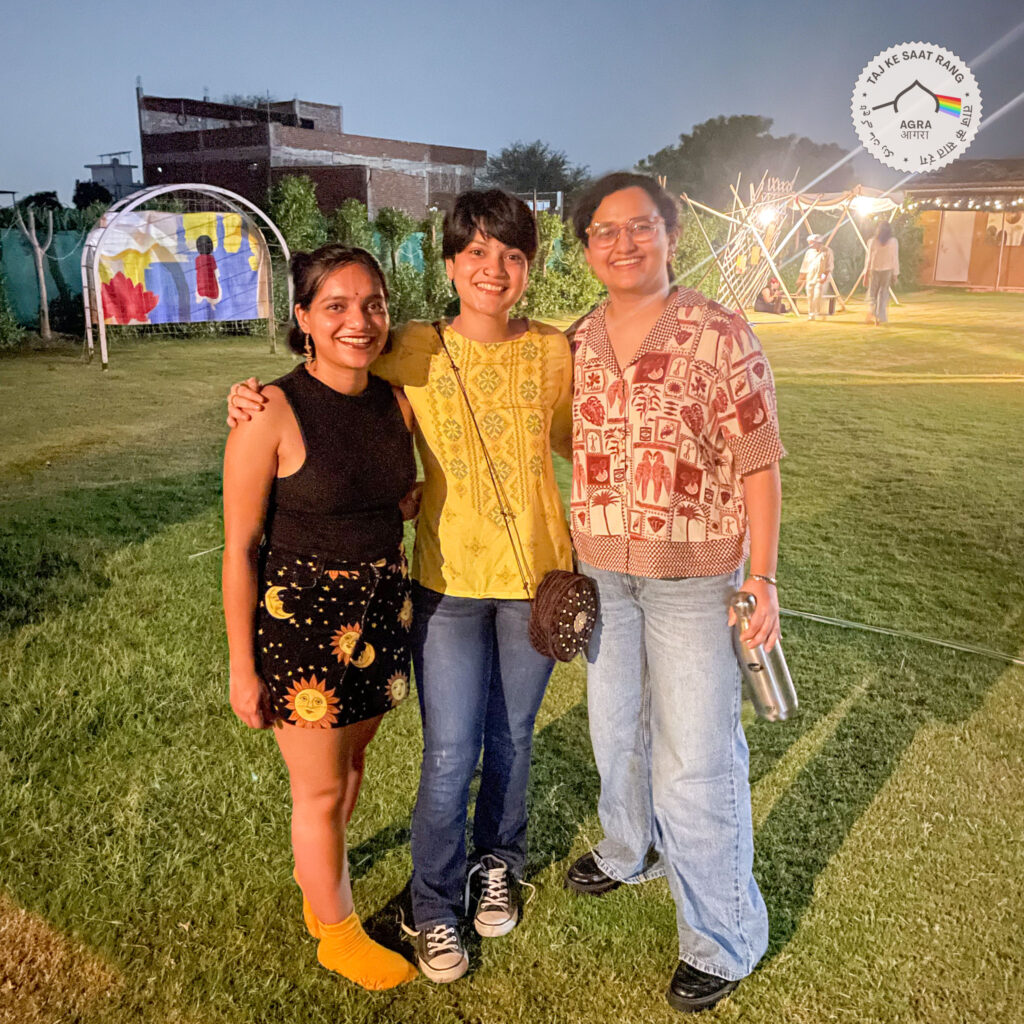
The festival creates inclusive cultural spaces where queer individuals and allies can gather without fear, without performance, and without the burden of justification. It moves beyond representation and into lived experience—where identity is not explained, but simply exists.
By placing queer bodies, stories, and expressions within the city—its monuments, its streets, and its cultural spaces—Taj ke Saat Rang gently yet powerfully disrupts dominant narratives. It reimagines what it means to belong in a city like Agra.
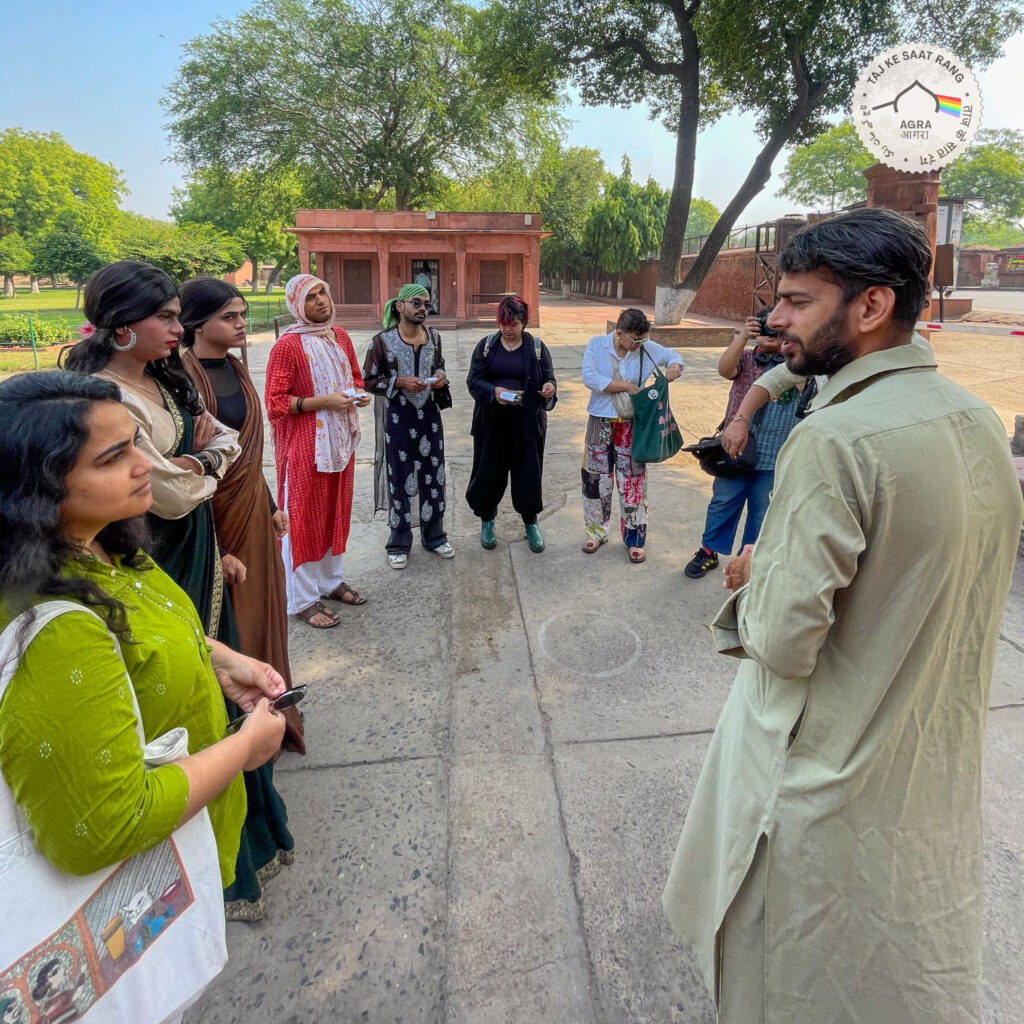
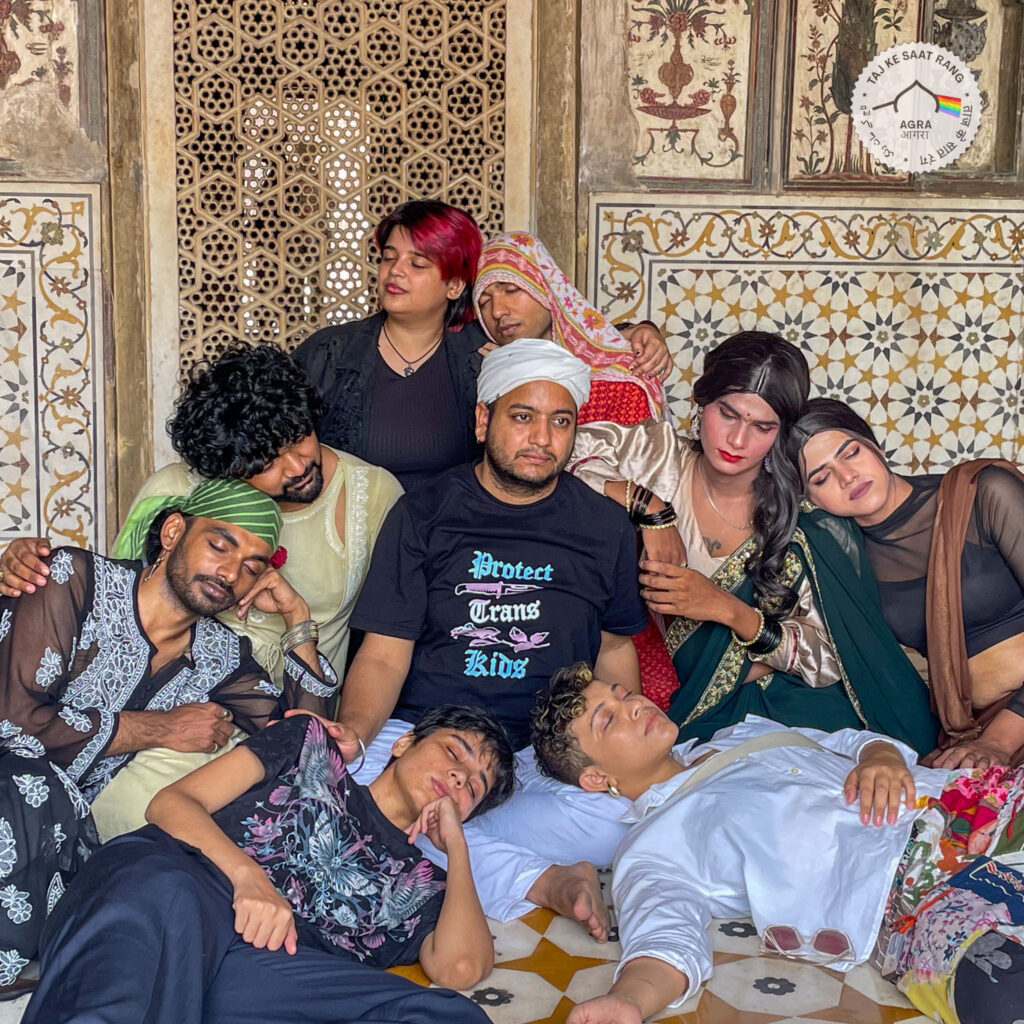
What happens when queer individuals walk through heritage sites not as outsiders, but as rightful participants in cultural memory?
What changes when performances, poetry, and conversations unfold in spaces that were never designed to hold them?
These are not just artistic interventions—they are acts of reclaiming space.
The festival also engages with cultural tourism in Agra, offering a slower, more immersive way of experiencing the city. Instead of viewing monuments as static relics, it invites participants to engage with them as living spaces—spaces that can evolve, include, and transform.
At its core, Taj ke Saat Rang is about asking a simple yet profound question:
What does it mean to belong here, fully and without hiding?
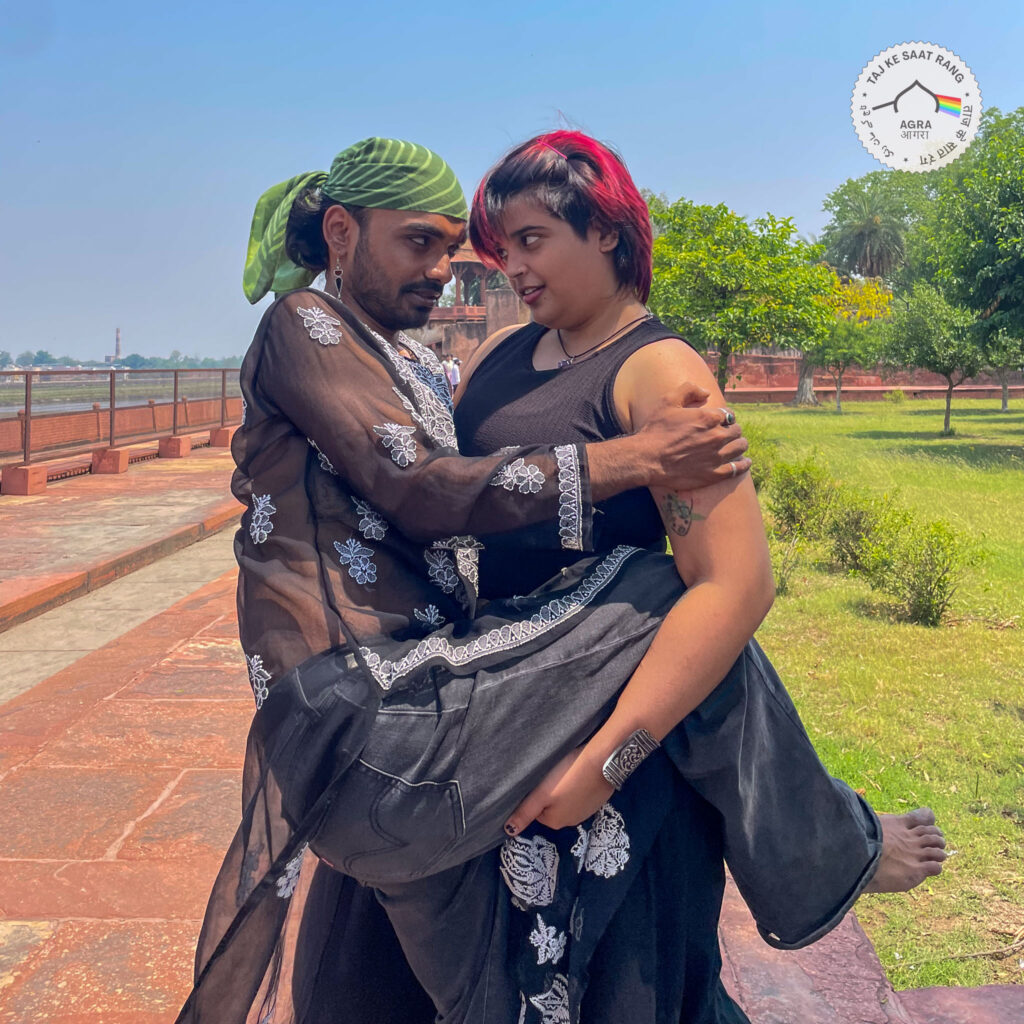
It is an exploration of identity, but also of community. It creates a space where differences are not merely tolerated but held with care and respect. Where conversations around gender, sexuality, caste, and culture can exist without fear. Where art becomes a medium of connection, resistance, and healing.
In doing so, it contributes to a larger movement of decentralising queer culture in India—moving it beyond metro cities and into tier-II spaces like Agra, where such conversations are often missing but deeply needed.
Taj ke Saat Rang is not just a festival.
It is a cultural intervention.
A community space.
A moment of pause and reflection.
A step towards building a more inclusive future.
A space where identity is not explained, but lived.
A space where difference is not tolerated, but embraced.
A space where coexistence is not an idea, but a practice.
Because culture is not complete until everyone is part of it.
And perhaps, in reclaiming space, we begin to rewrite what it means to belong.