
Gathering Voices: From Performances to a Queer Cultural Movement
How Taj ke Saat Rang Is Building a Shared Space for Desi Queer Expression
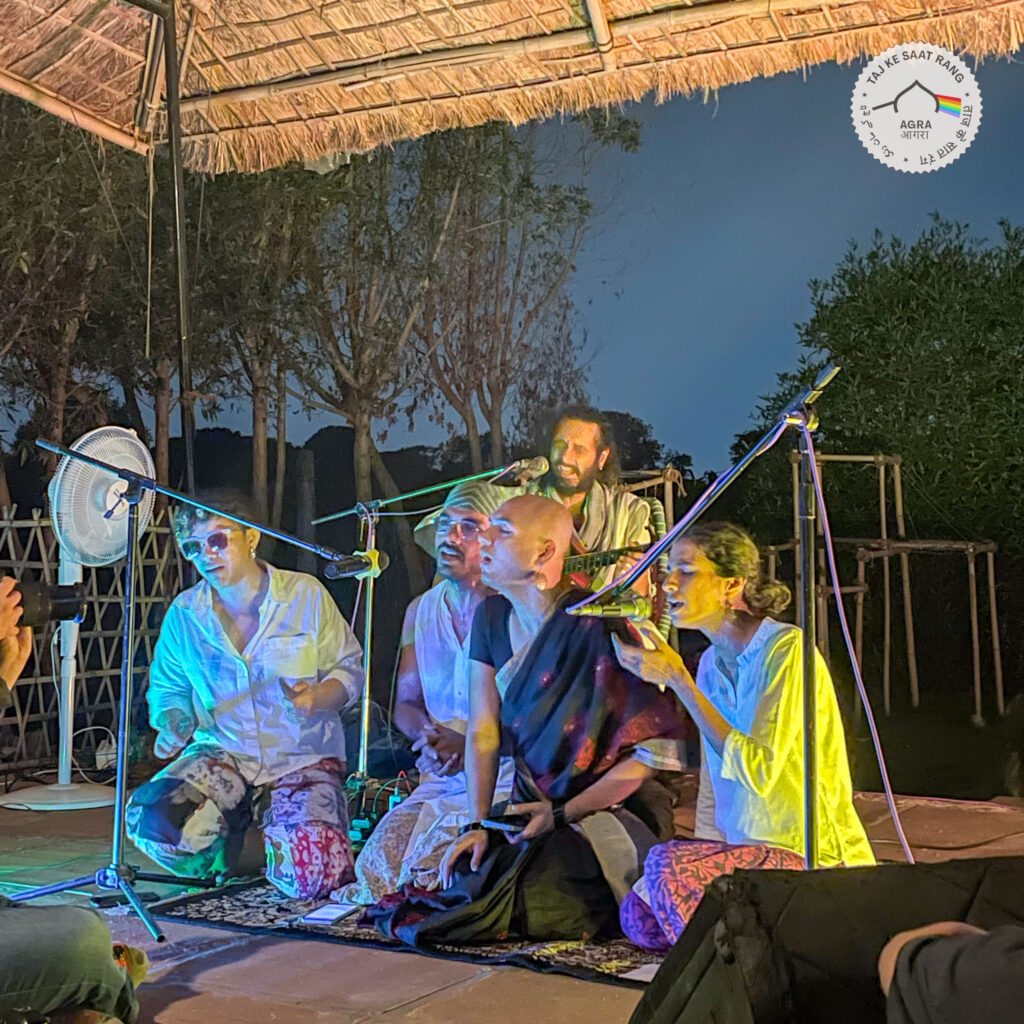 Last year, Taj ke Saat Rang was an experiment.
An idea that came together through people, curiosity, and the need to create space.
What emerged was something far more alive than expected.
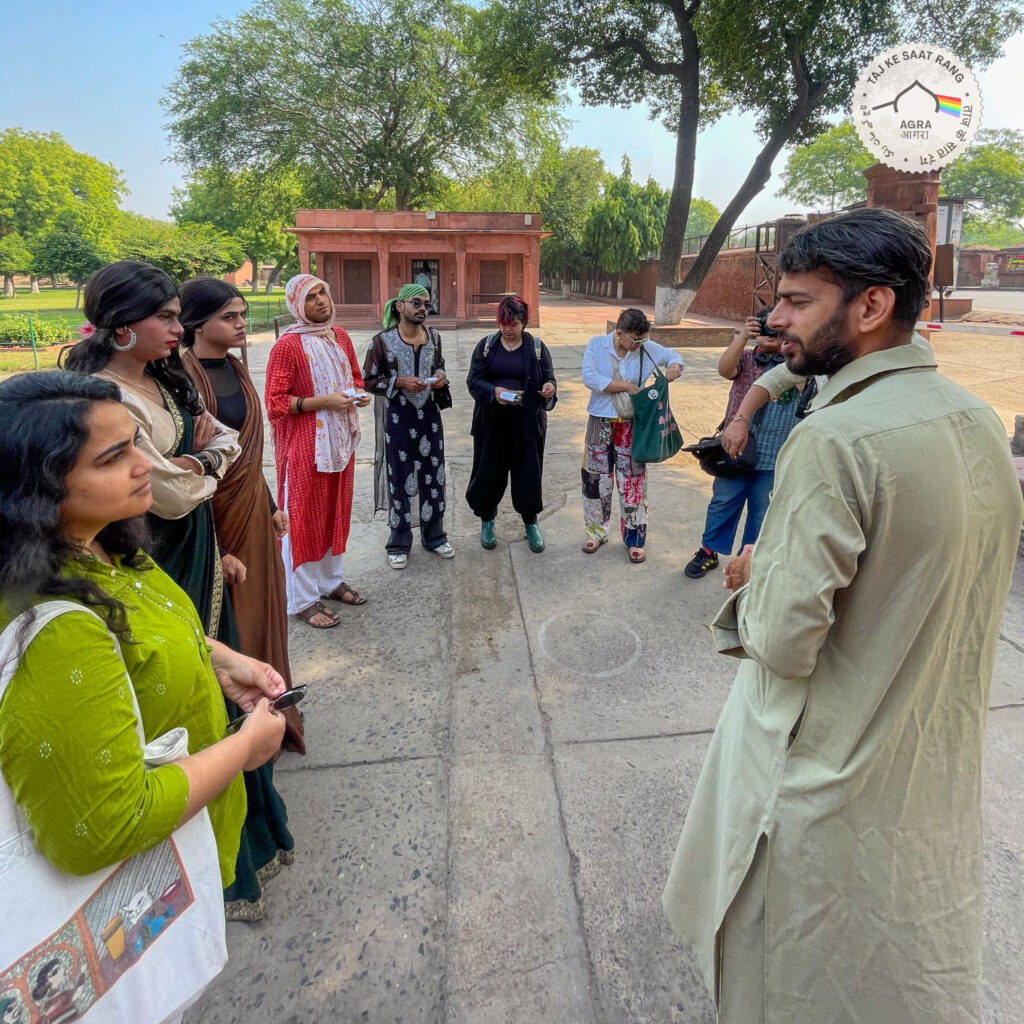
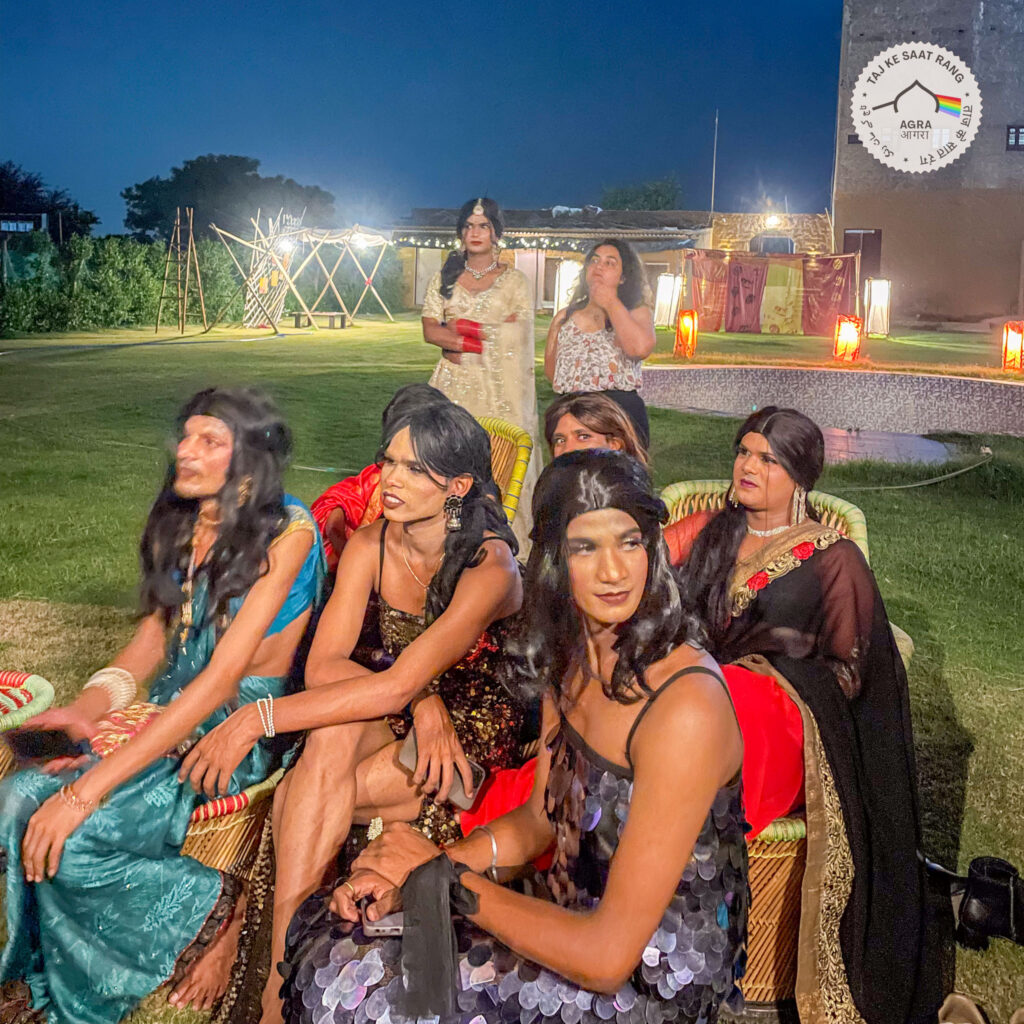
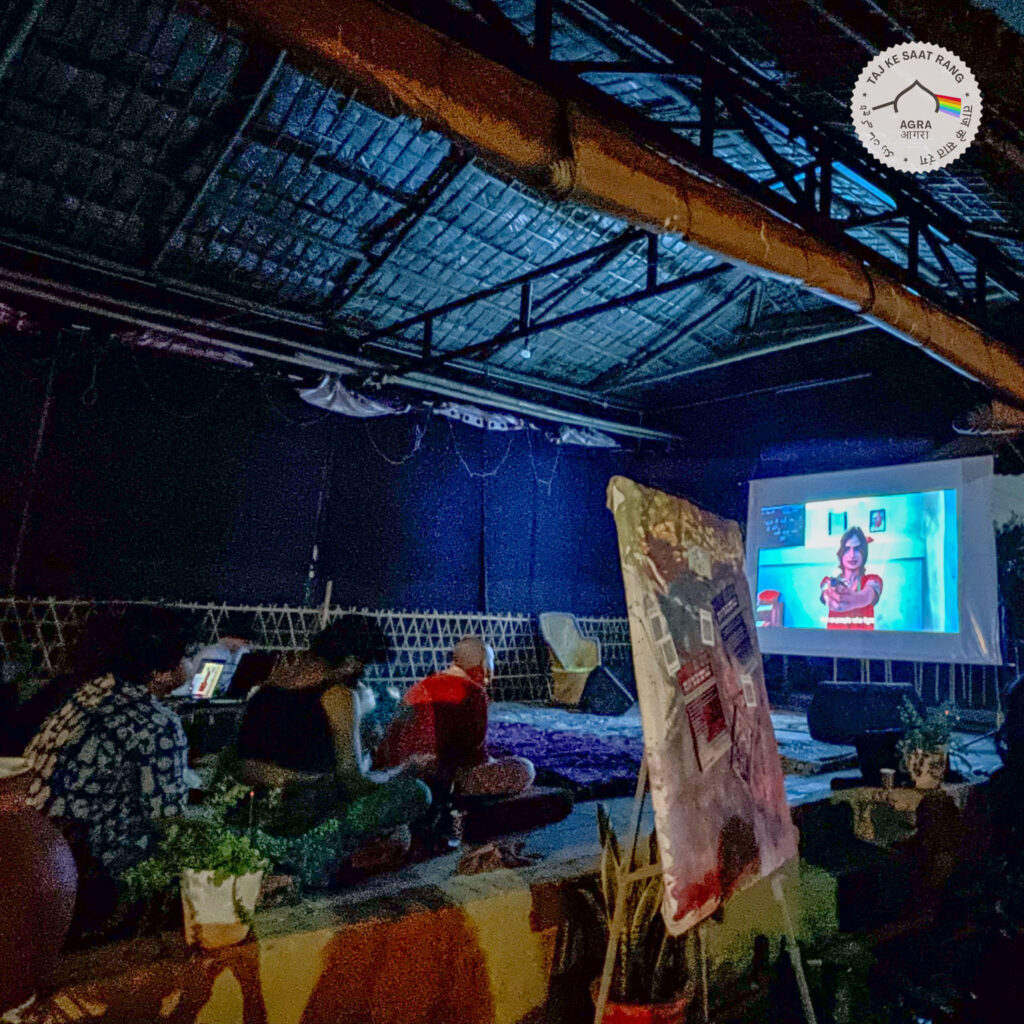
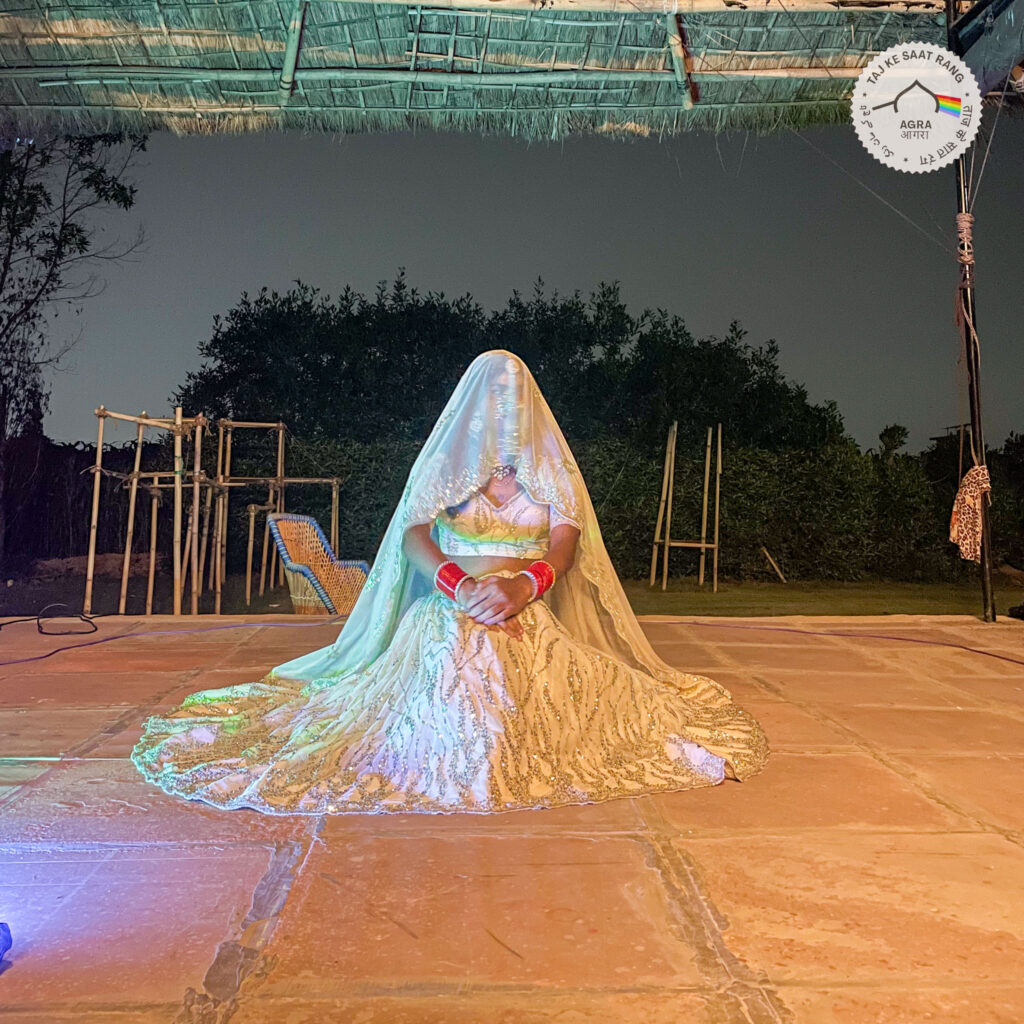
Over two days, 10–15 performers came together—dancers, rappers, singers, instrumentalists, and artists working across disciplines. There were performances, a fashion show, music, conversations, and moments that could not be planned.
It wasn’t just a lineup.
It was a gathering.
Each performance carried its own language—some loud, some quiet, some celebratory, some deeply personal. But together, they created a shared atmosphere where expression felt possible.
Where people could watch, participate, and exist without constantly negotiating themselves.
More Than Performance
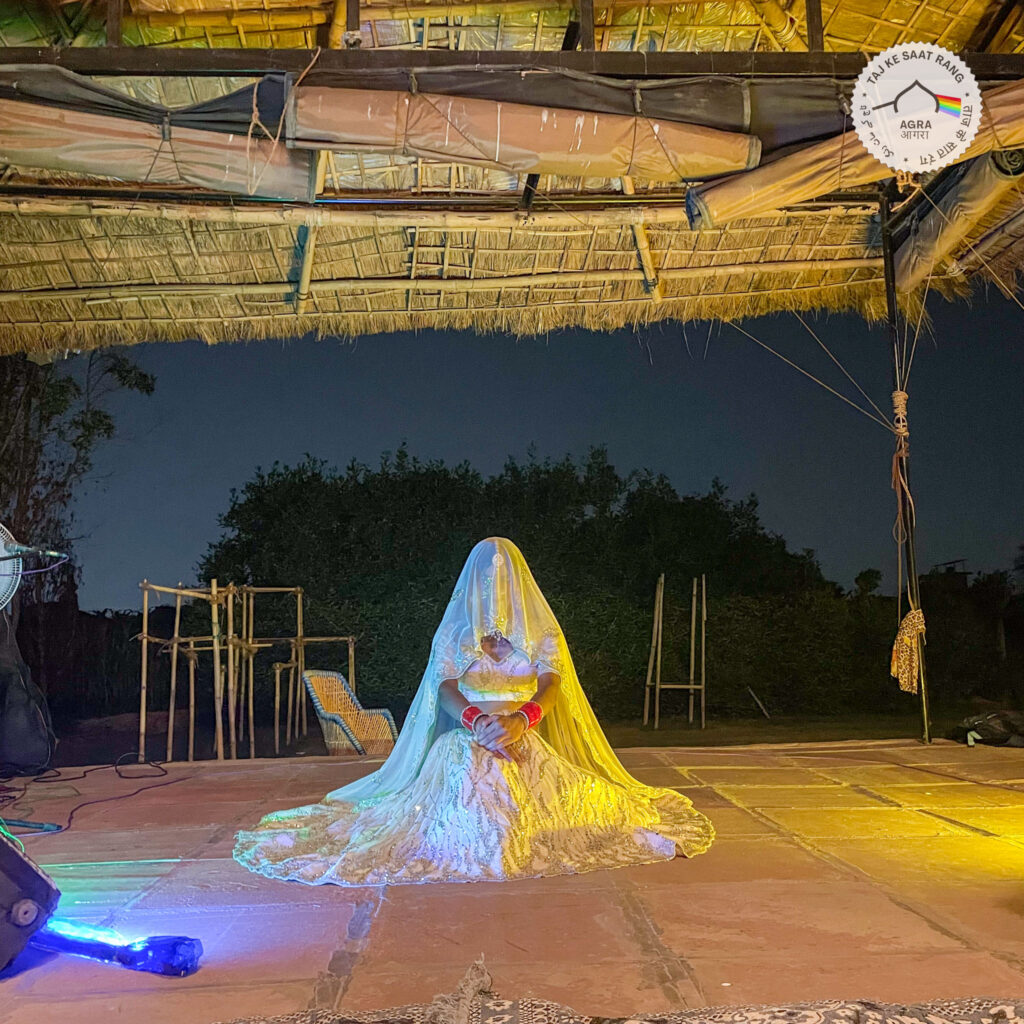 What stood out was not just what happened on stage.
It was what happened in between.
Conversations that extended beyond sessions.
Moments of recognition between strangers.
A sense of relief in simply being present in a space that felt open.
For many, it was not just an event.
It was the first time they experienced a space like this in a city like Agra.
Expanding the Circle
This year, Taj ke Saat Rang is growing—not just in scale, but in intention.
The focus is not only on performances, but on bringing together a wider spectrum of queer identities and cultural expressions rooted in the subcontinent.
We are working towards gathering:
– Desi queer voices
– Cross-dressers and gender non-conforming performers
– Hijra and trans communities
– Launda Naach practitioners, where gender performance has long existed within folk traditions
– Collaborations like The Aavahan Project, which engage with grassroots and community-led narratives
This shift is important.
Because queerness in India has never been singular.
It has always existed across languages, regions, classes, and cultural forms.
Yet, many of these expressions remain disconnected from each other.
Reconnecting Cultural Lineages
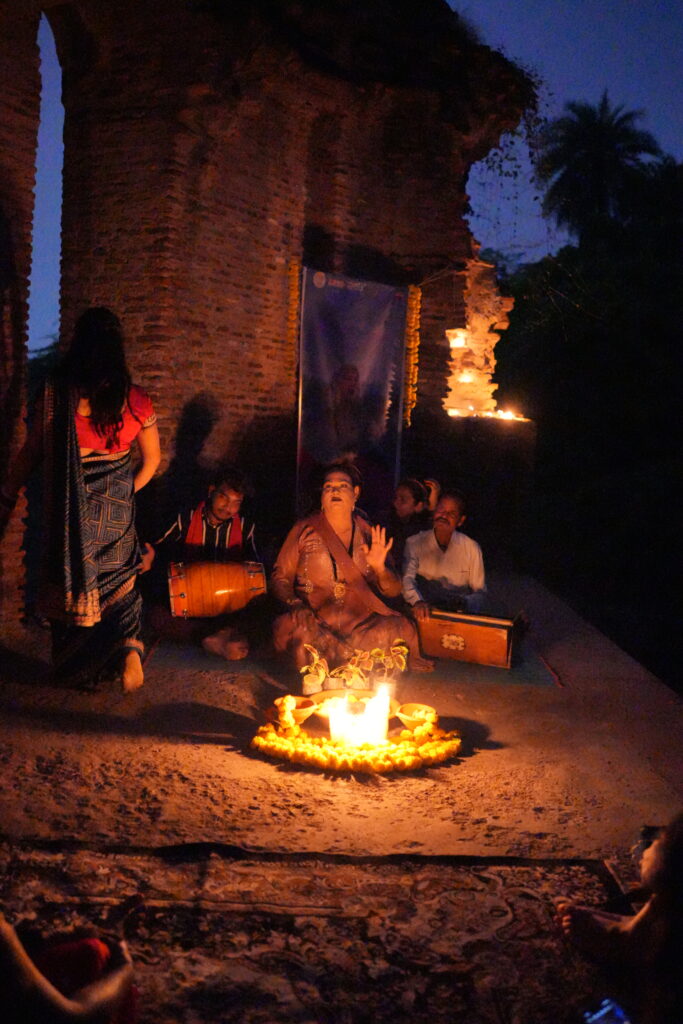 Forms like Launda Naach, Hijra traditions, and other regional practices have long engaged with gender fluidity and performance.
But they are often seen separately from contemporary queer spaces.
Taj ke Saat Rang is attempting to bring these worlds into conversation.
Not to redefine them.
But to hold them together.
To create a space where traditional and contemporary, rural and urban, performative and lived identities can coexist.
Where a drag artist, a folk performer, and a first-time participant can share the same space without hierarchy.
Queers and Allies: Building Together
Equally important is the role of allies.
The festival is not just for queer individuals—it is also for those who are willing to listen, learn, and participate with respect.
Because building inclusive spaces requires collective effort.
It requires people to show up—not just in support, but in understanding.
Taj ke Saat Rang becomes a meeting point.
Between identities.
Between experiences.
Between those who have always been visible and those who are still finding their voice.
Towards a Cultural Future
This is not just about increasing the number of performers or participants.
It is about building something more sustainable.
A space that continues to evolve.
A community that continues to grow.
A cultural practice that extends beyond the festival itself.
Last year showed what is possible.
This year is about deepening it.
About asking:
What happens when more voices enter the space?
What happens when different forms of queerness meet each other?
What happens when culture becomes something we build together, not consume?
This Is Just the Beginning
Taj ke Saat Rang is still becoming.
Each edition is a step towards something larger—a more inclusive, more connected, more grounded cultural ecosystem.
From 10–15 performers to a growing network of artists, communities, and participants, the journey reflects a simple but powerful truth:
People are looking for spaces like this.
Spaces where they can be seen.
Spaces where they can express.
Spaces where they can belong.
And perhaps the most important thing we can do is continue to create them.
Together.
Taj ke Saat Rang
A gathering of voices.
A meeting of worlds.
A space in the making.