
Building Queer Cultural Futures in Tier-II India
How Taj ke Saat Rang Is Expanding Queer Culture Beyond Metro Cities
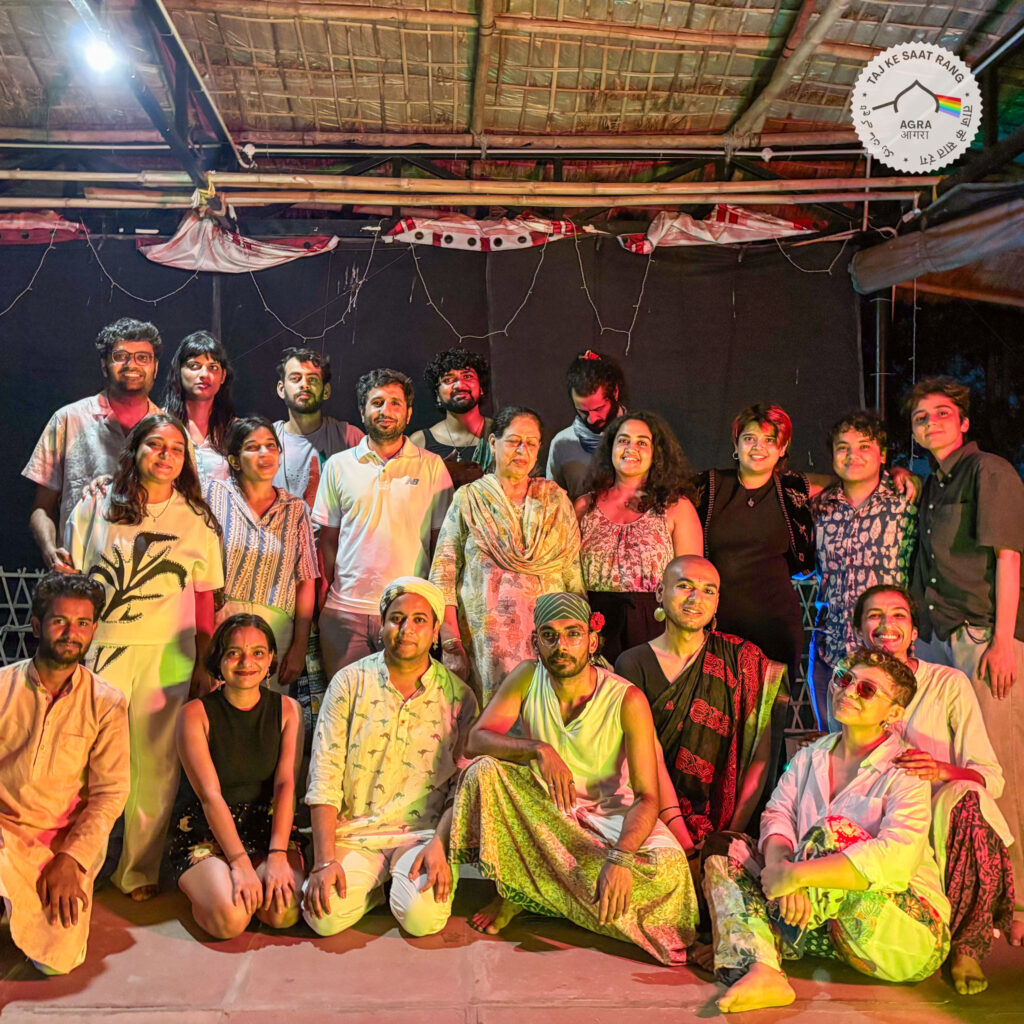
In India, most queer cultural spaces are concentrated in metro cities.
From Pride parades in Delhi and Mumbai to established platforms like the KASHISH Pride Film Festival and Rainbow Lit Fest, the visibility of queer culture has grown significantly over the past decade. These spaces have played a crucial role in building community, representation, and dialogue.
But an important question remains:
What about everywhere else?
What about the cities that are not metros?
What about places like Agra, Jaipur, Lucknow, Indore, or Bhopal—where millions of people live, study, work, and grow up navigating identity in more complex, often invisible ways?
The Gap in Queer Cultural Infrastructure
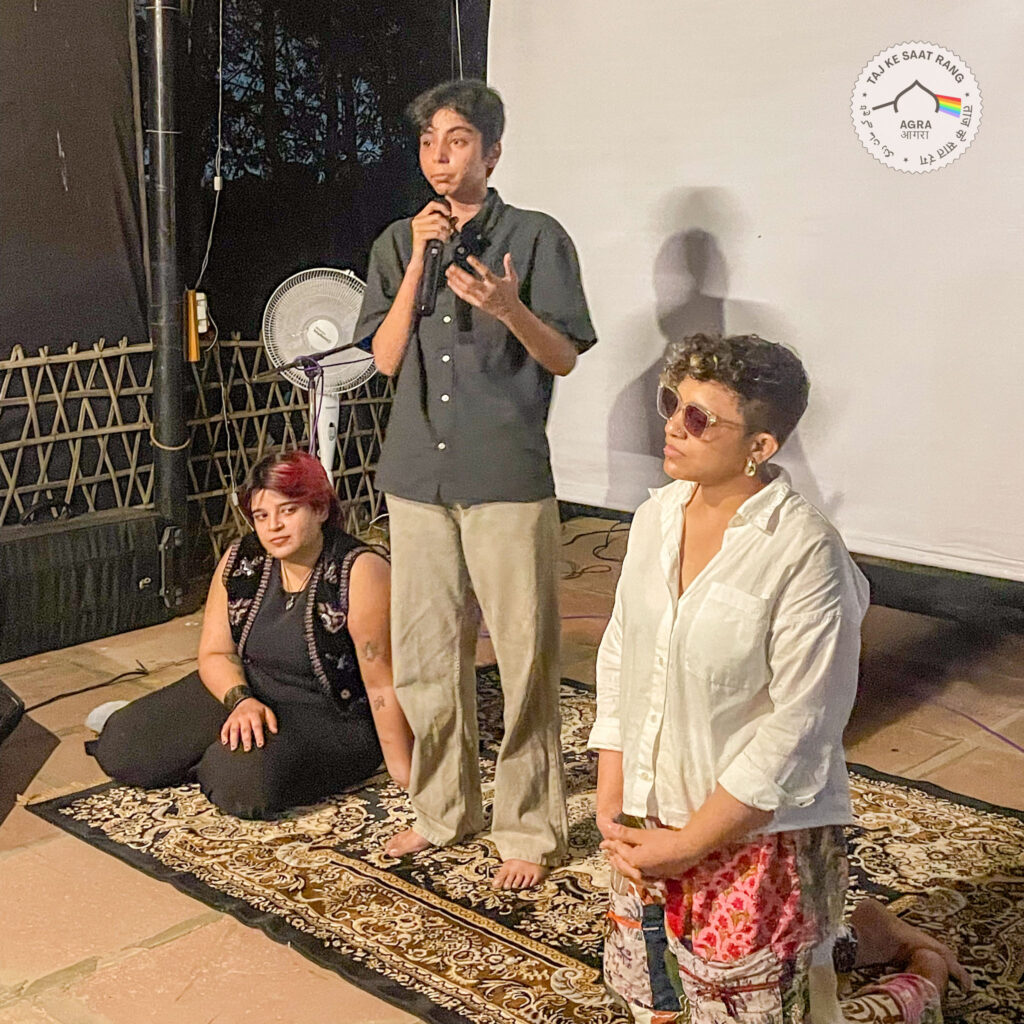 Tier-II cities in India hold a large, young, and digitally connected population. These are individuals who are exposed to global conversations, who engage with identity, art, and expression online—but often lack access to physical spaces where they can experience the same openness offline.
In these cities, queerness is not absent—it is simply less visible.
It exists in private conversations, in friendships, in coded language, in online communities, and in fleeting moments of expression. But public, cultural, and community-led spaces for queer engagement remain limited.
This gap is not just about events.
It is about access to belonging.
Without spaces to gather, express, and connect, cultural participation becomes restricted. Identity becomes something to manage, rather than something to explore.
Where Taj ke Saat Rang Steps In
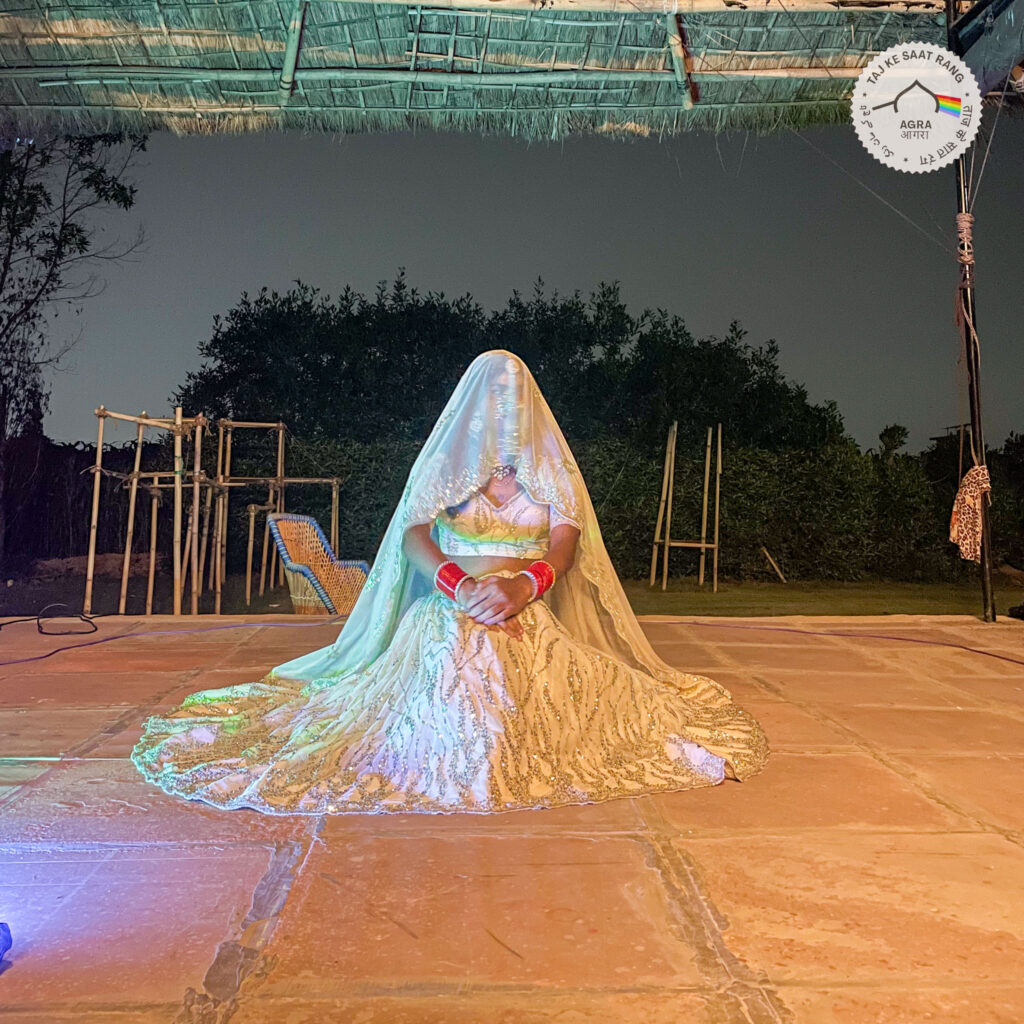
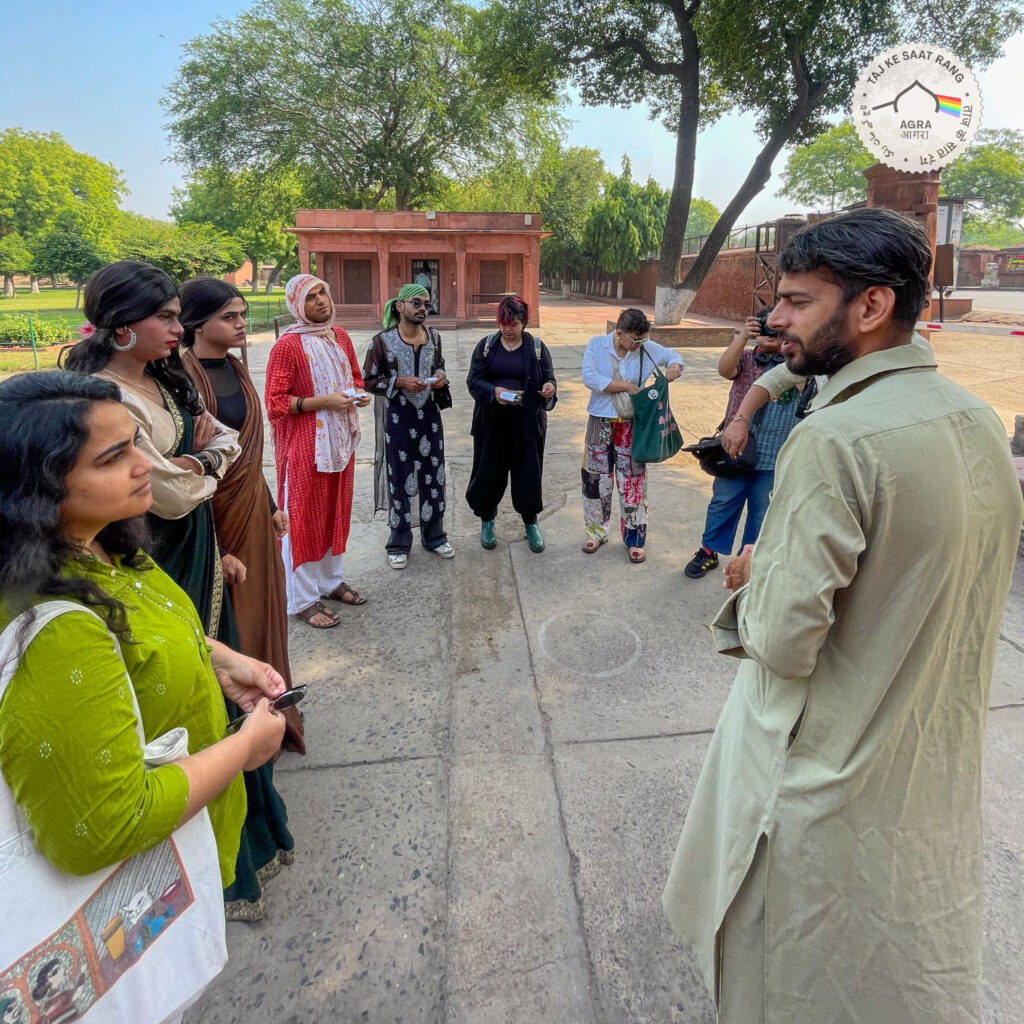
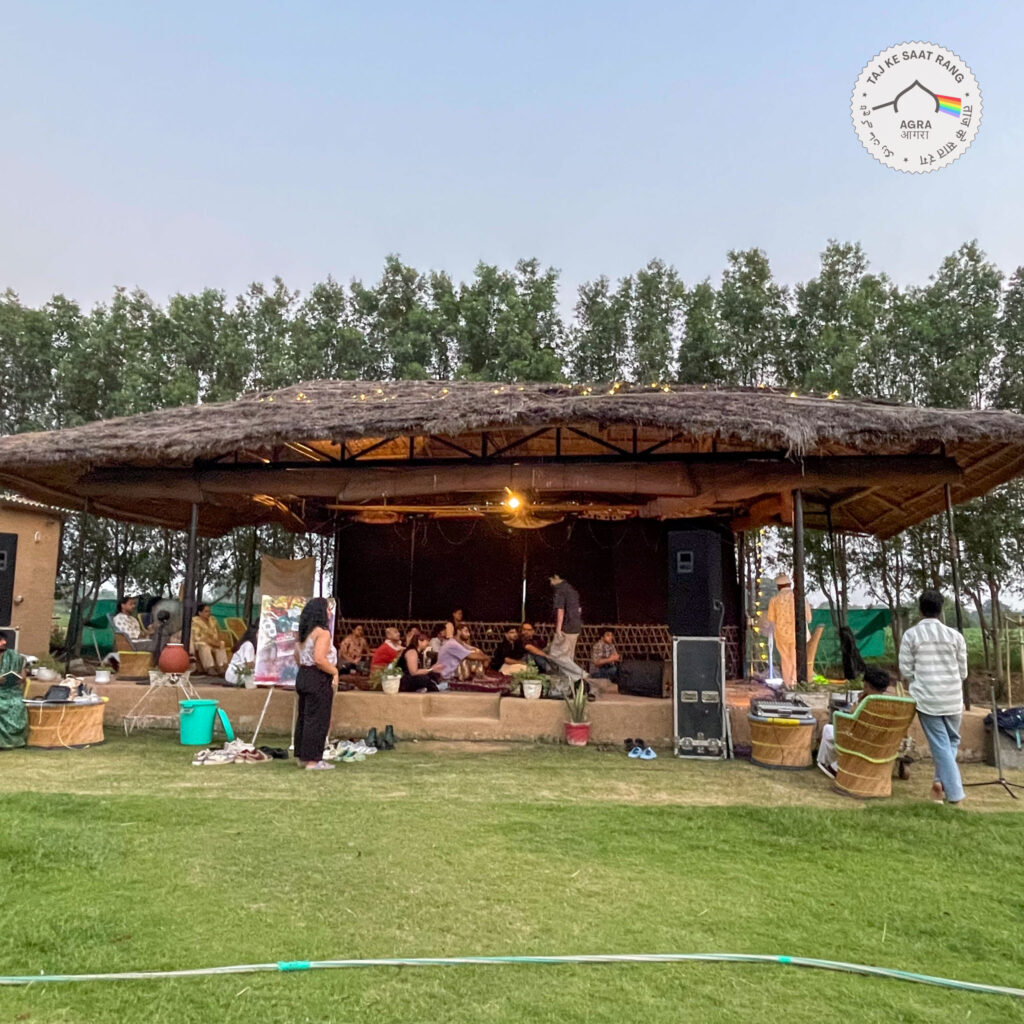 Taj ke Saat Rang, a queer cultural festival in Agra, exists within this gap.
What began as an intimate gathering has already evolved into a growing cultural movement—reflecting a clear and rising demand for inclusive, community-driven spaces beyond metro cities.
But growth, in itself, is not the goal.
The goal is to build sustainable, community-led cultural ecosystems that can exist and evolve within cities like Agra.
This means moving beyond one-time events and towards long-term cultural engagement.
It means creating spaces that are not just visited—but returned to.
Beyond Festivals: Building Cultural Ecosystems
Taj ke Saat Rang approaches culture as something lived, not consumed.
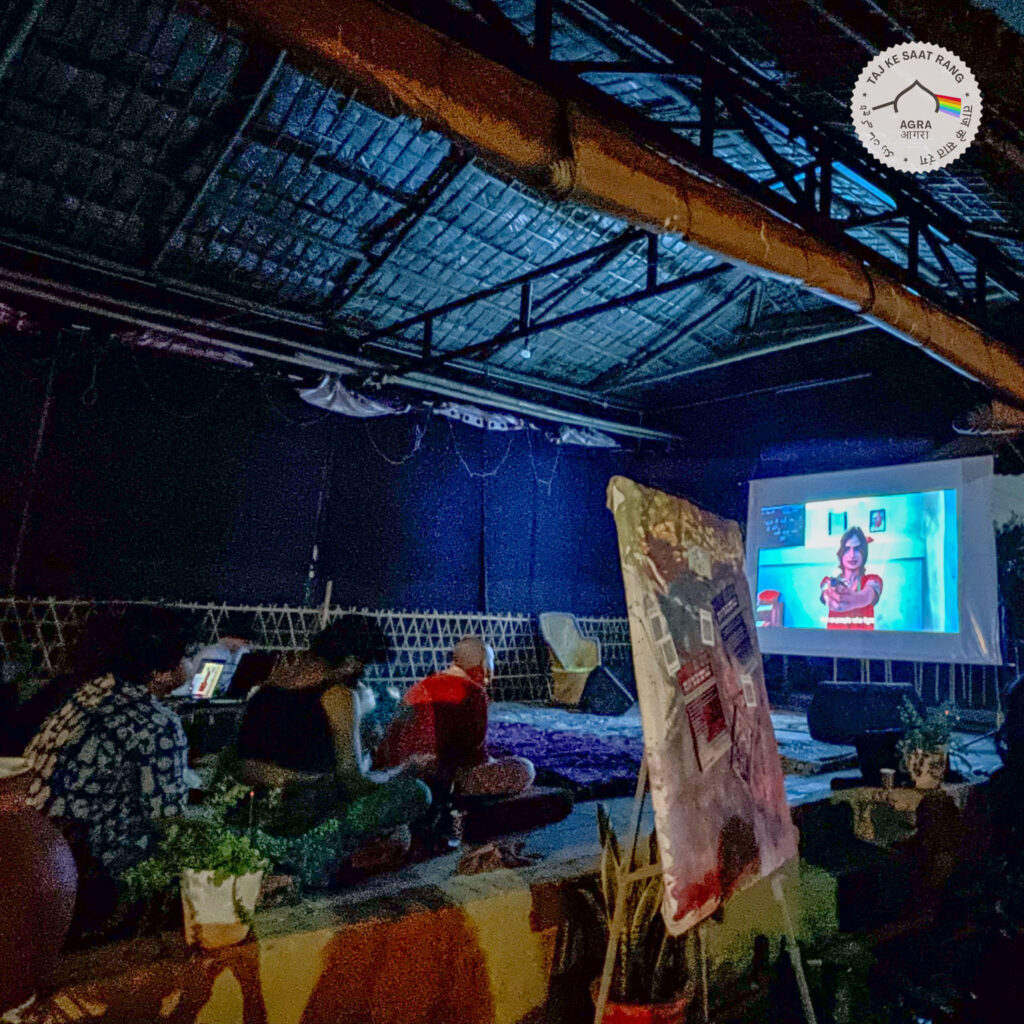
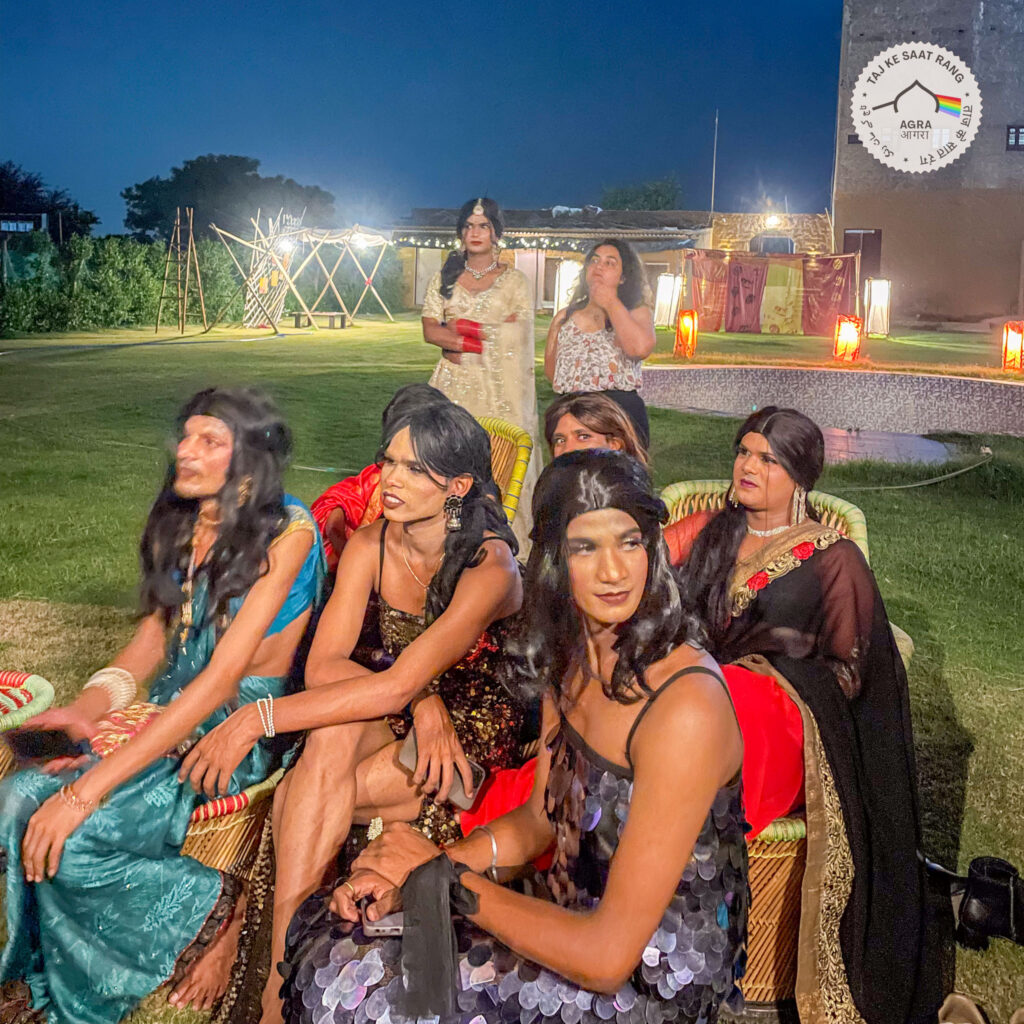
Through interdisciplinary practices—film, performance, music, fashion, storytelling, and dialogue—the festival creates an environment where identities are not fixed or labelled, but explored with openness and curiosity.
In these spaces:
– Art becomes a medium for expression and reflection
– Performance becomes a form of storytelling
– Conversations become acts of understanding
– Community becomes a lived experience
This approach moves away from rigid definitions of identity and instead embraces fluidity, nuance, and personal narrative.
It also creates room for something equally important:
Joy as resistance.
In a socio-political context where queer identities often face scrutiny, opposition, or erasure, spaces of celebration, creativity, and connection become acts of resilience.
They allow individuals not just to speak—but to exist fully.
Learning from Existing Queer Platforms
India already has powerful examples of what queer cultural spaces can look like.
Festivals like KASHISH Pride Film Festival have shown how storytelling through cinema can build visibility and empathy. Rainbow Lit Fest has created intellectual and literary spaces for queer voices. Regional Pride events across cities have created moments of solidarity and collective presence.
Taj ke Saat Rang builds on this larger movement—but with a crucial difference.
It is rooted in a tier-II city context.
This changes everything.
Because the challenges, audiences, and cultural dynamics of smaller cities are different from metros. The conversations are more nuanced. The risks are different. The possibilities are also unique.
Instead of replicating metro models, Taj ke Saat Rang adapts to its context—blending heritage, local culture, and community participation into its framework.
Why Tier-II Cities Matter for the Future
The future of queer culture in India cannot remain metro-centric.
If cultural spaces remain concentrated in a few urban centres, they risk becoming inaccessible to a large part of the population. Decentralisation is not just an ideal—it is necessary for equitable cultural growth.
Tier-II cities are not peripheral.
They are central to India’s cultural future.
They hold stories that are less documented, voices that are less amplified, and communities that are still forming their public identities.
Creating queer cultural spaces in these cities is not just about inclusion—it is about reshaping the cultural map of India.
Towards a More Inclusive Cultural Future
Taj ke Saat Rang is part of a larger shift.
A shift where:
– Queer stories exist not just online, but in everyday public spaces
– Cultural participation becomes decentralised and accessible
– Cities like Agra become centres of expression, not silence
– Community-led initiatives shape the future of cultural engagement
It reimagines what a festival can be.
Not just a gathering.
Not just a celebration.
But a foundation.
A starting point for building long-term, sustainable cultural ecosystems rooted in community, care, and collaboration.
More Than a Festival
Taj ke Saat Rang is not just an event.
It is an evolving cultural practice.
It is a space where identities are explored without pressure.
Where differences are held without judgment.
Where belonging is not negotiated—but offered.
In doing so, it contributes to a future where cities become more human, more open, and more reflective of the people who inhabit them.
Because ultimately, the goal is not just visibility.
The goal is belonging.
And perhaps the most meaningful cultural shift we can create is one where every person—regardless of where they come from—can find a space that feels like their own.
And this is just the beginning.