
Queering the City: Beyond the Festival
How Taj ke Saat Rang Reimagines Heritage, Community, and Queer Culture in Agra
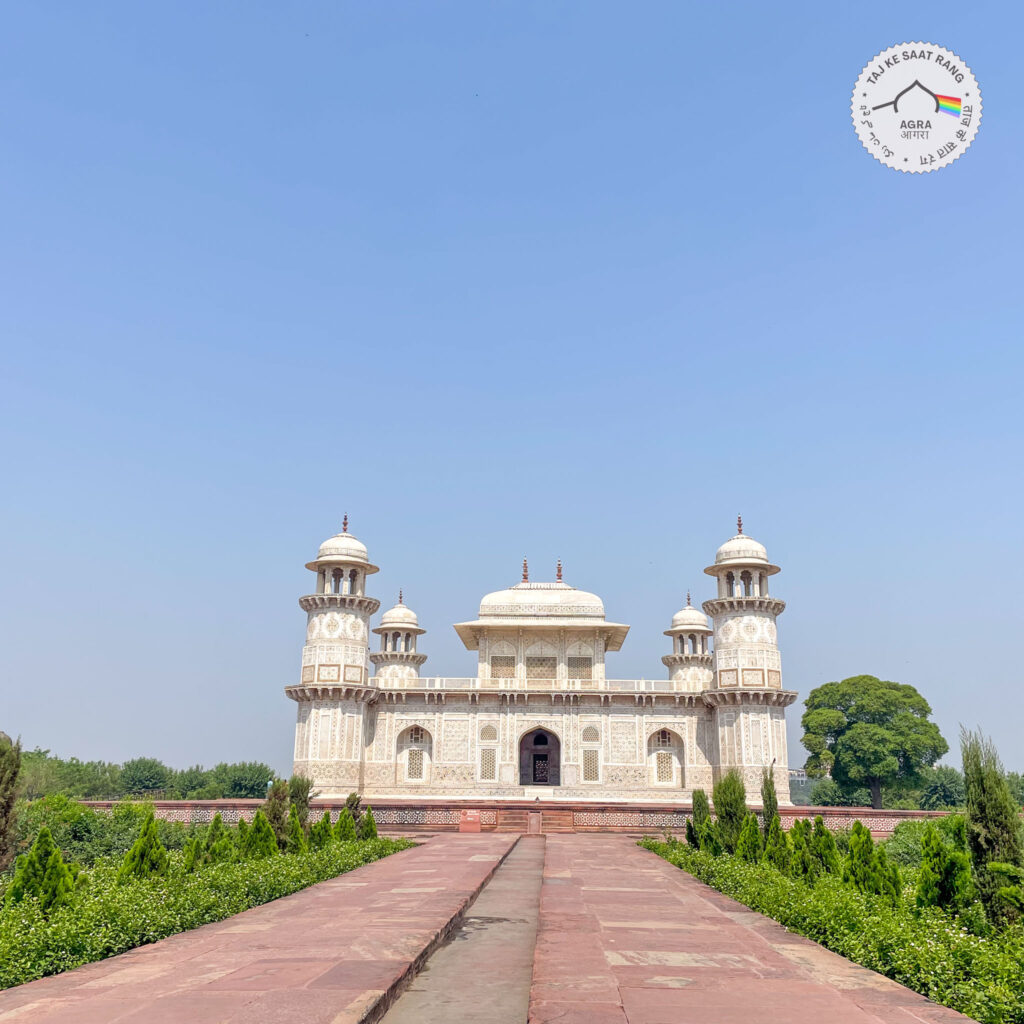
When people think of Agra, they think of the Taj Mahal.
They think of romance, history, Mughal architecture, and one of the world’s most visited monuments. Every year, millions travel to the city to witness a story of love carved in marble. Yet beneath this globally celebrated narrative lies another question:
Who gets to belong in these stories of love, memory, and heritage?
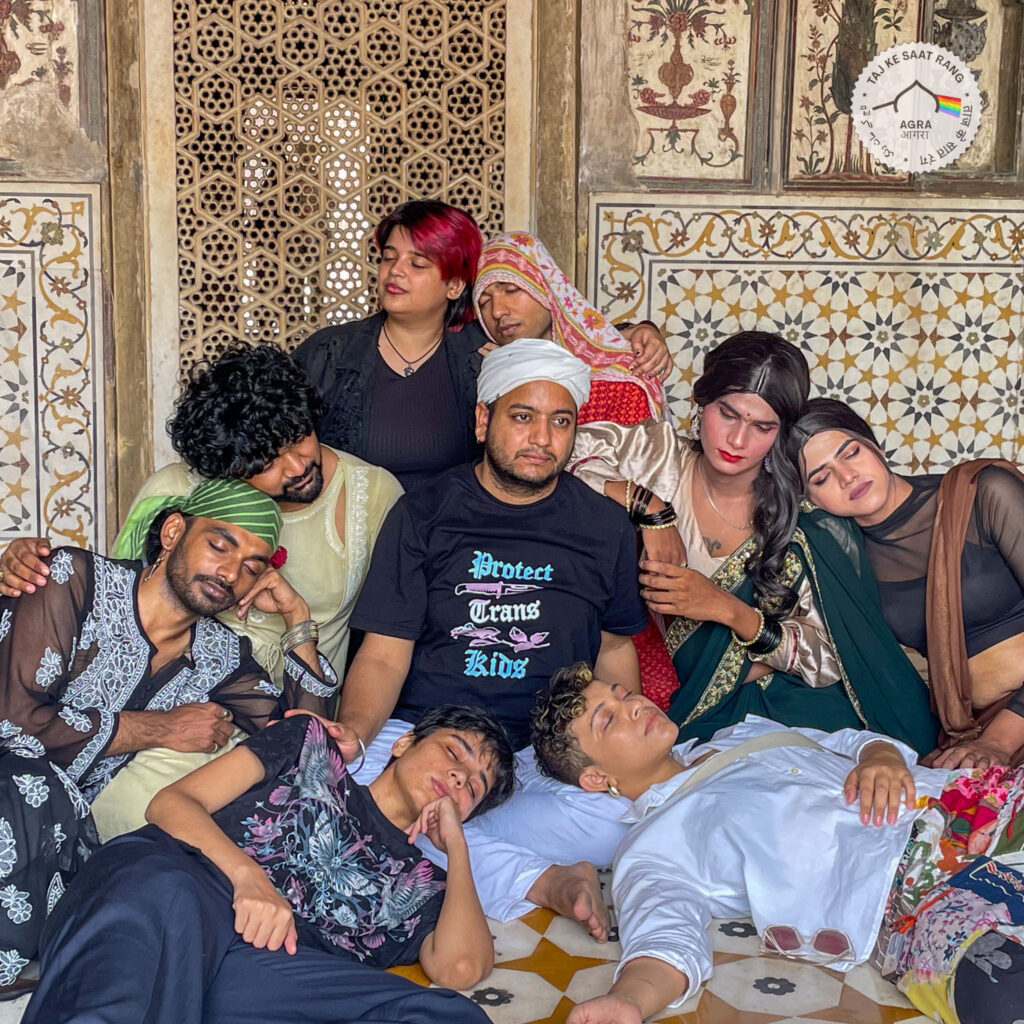
For generations, queer lives in India have existed within cities, monuments, neighbourhoods, and cultural traditions, yet their presence has often remained invisible in public narratives. Heritage sites tell stories of kings and queens, empires and battles, romance and devotion—but rarely do they acknowledge the many forms of intimacy, identity, and belonging that have always existed alongside them.
This is where Taj ke Saat Rang, a queer arts and cultural festival in Agra, begins.
More than a Pride event, a performance festival, or a gathering of queer communities, Taj ke Saat Rang is an exploration of how cities can be experienced differently. It asks what happens when heritage spaces become sites of dialogue. When public culture becomes inclusive. When stories that have long existed in the margins move gently into view.
The Rise of Queer Cultural Festivals in India
Over the last decade, India has witnessed the emergence of powerful queer cultural platforms that have expanded conversations around identity, visibility, and representation.
In Mumbai, the KASHISH Pride Film Festival has grown into one of South Asia’s largest queer film festivals, bringing together cinema, conversations, artists, and audiences from across the world. Since its inception, KASHISH has demonstrated how film can become a powerful tool for visibility, community-building, and social change.
Similarly, Rainbow Lit Fest has created one of South Asia’s largest platforms for queer and inclusive literature, bringing together authors, artists, academics, and community voices across disciplines.
In Kolkata, the Kolkata Rainbow Pride Festival and its associated cultural programming have shown how queer events can extend beyond marches into exhibitions, screenings, discussions, and community spaces, creating long-term cultural impact.
These initiatives have transformed how queer culture is experienced in metropolitan India.
Yet an important gap remains.
Most queer cultural infrastructure is concentrated in major cities such as Mumbai, Delhi, Bengaluru, and Kolkata. Tier-II cities often remain excluded from these conversations despite having vibrant communities, artists, students, and allies searching for spaces of belonging.
Taj ke Saat Rang emerged from this gap.
Why Agra Matters
Agra is not merely a tourist destination.
It is a city of layered histories, neighbourhoods, oral traditions, food cultures, music traditions, craft communities, and over seven hundred documented heritage structures. It is also a city where contemporary conversations around identity often remain fragmented or invisible.
For many queer individuals living in smaller cities, visibility can come with social costs. Public spaces are negotiated carefully. Expression often happens in coded ways. Community exists, but not always visibly.
This reality makes cultural space particularly important.
Rather than importing a metropolitan model of Pride into Agra, Taj ke Saat Rang asks a different question:
What does a queer cultural festival rooted in Agra’s own heritage, architecture, stories, and communities look like?
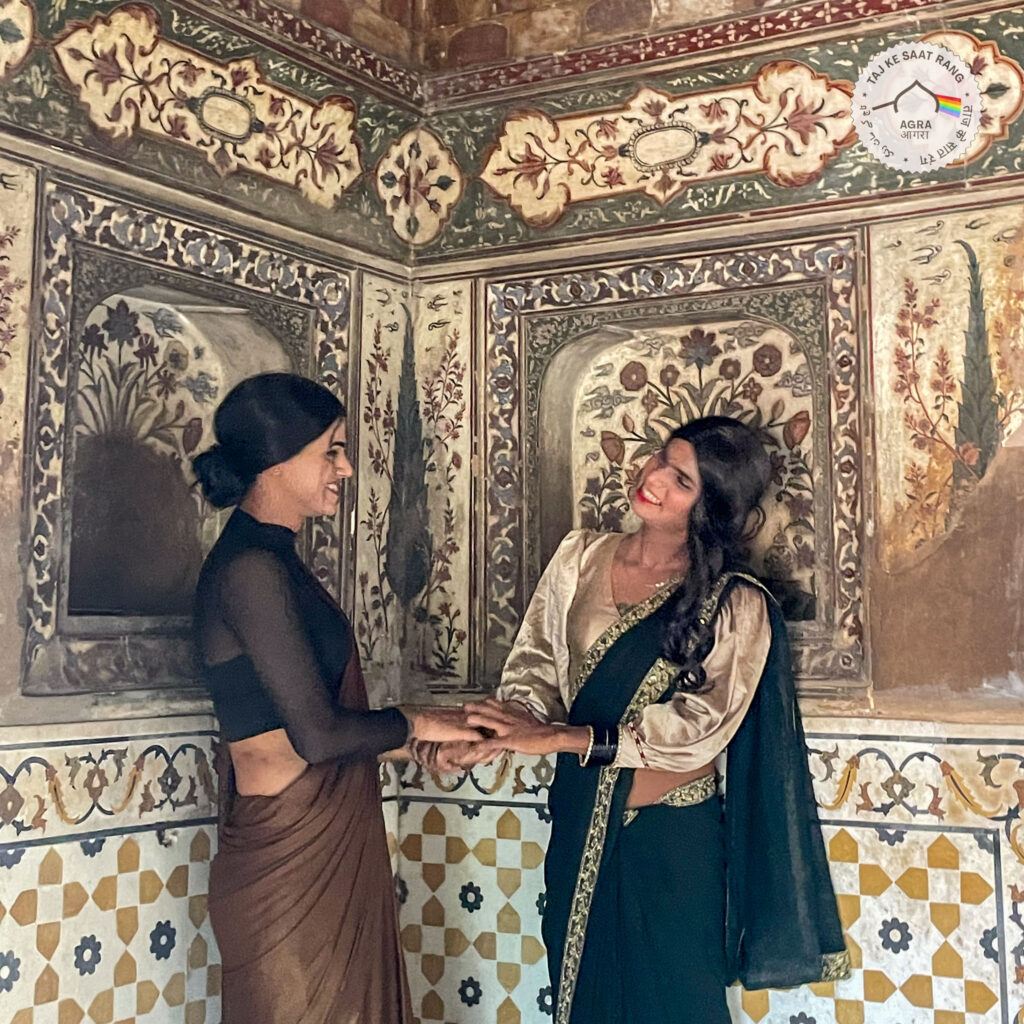
The answer lies in reimagining the city itself.
Queering Heritage
One of the central ideas behind Taj ke Saat Rang is that heritage is not static.
Monuments are often treated as objects to be viewed, photographed, and consumed. Yet heritage is also about memory, meaning, and the people who inhabit these spaces.
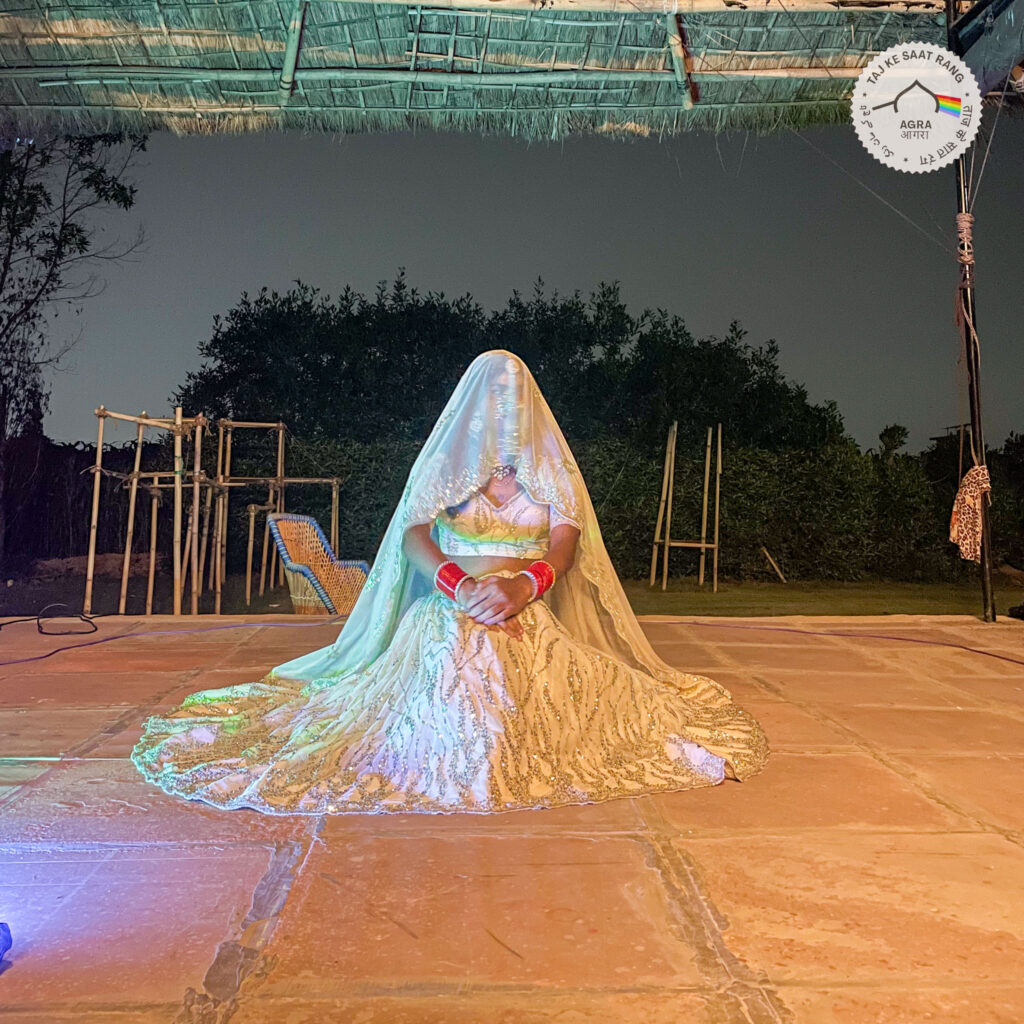
Through films, performances, storytelling, and heritage walks, the festival explores how queer experiences intersect with history and place.
In festival films, queer individuals inhabit monuments not as spectacles but as participants. They walk through courtyards, occupy forgotten spaces, engage with architecture, and create moments of presence.
This seemingly simple act challenges a powerful assumption: that heritage belongs only to certain narratives.
Instead, it suggests that queer people have always existed within India’s cultural landscape—even when historical records failed to acknowledge them.
The question is not whether queer histories exist.
The question is whether we are willing to see them.
The Queer Heritage Walk
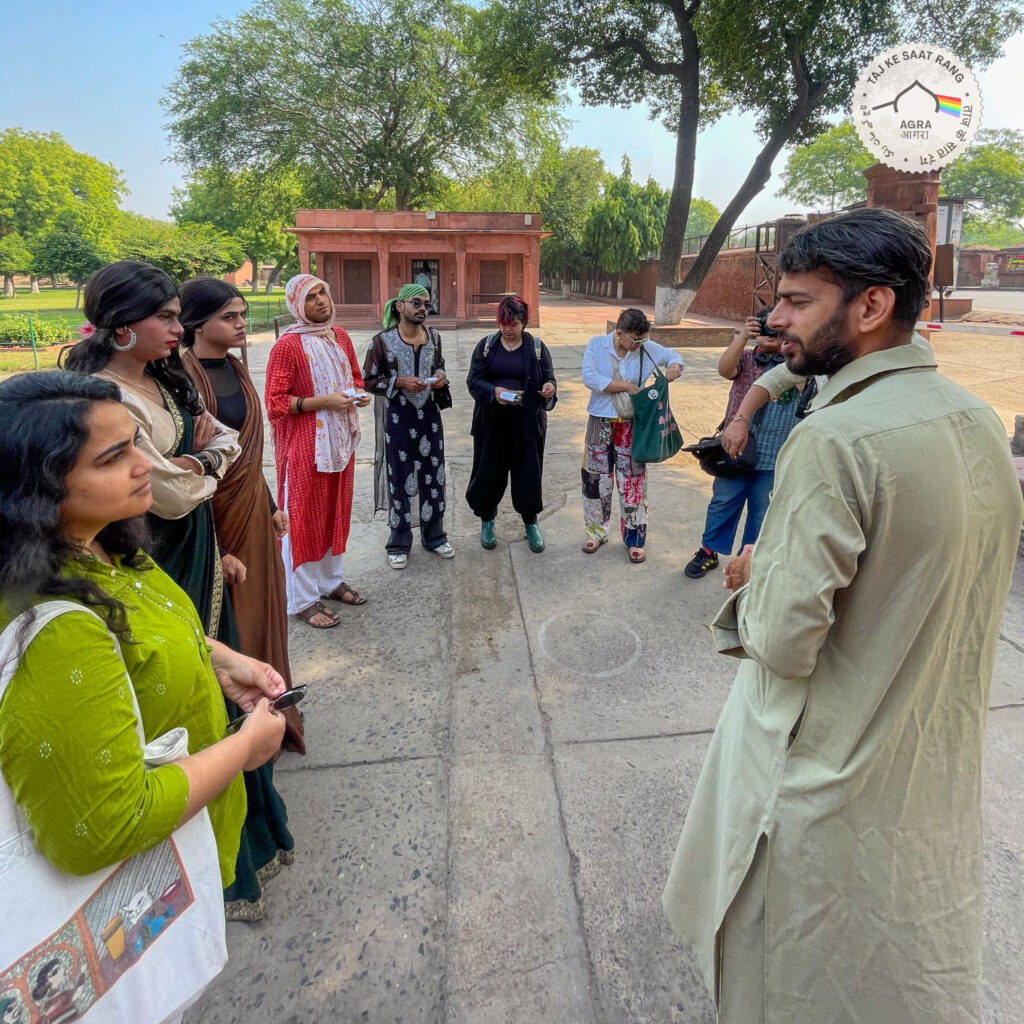
Perhaps nowhere is this more visible than in the festival’s Queer Heritage Walk.
Unlike conventional heritage walks that focus primarily on architecture and chronology, the Queer Heritage Walk invites participants to engage with the city through lived experience.
It asks participants to look beyond monuments and notice the hidden geographies of belonging.
Where do people gather?
Where do friendships form?
Where have individuals found intimacy, resistance, safety, and community?
The walk reframes heritage as something living and evolving rather than something frozen in the past.
In doing so, Agra becomes more than a city of monuments.
It becomes a city of stories.
Kala Kutir: A Space for Gathering
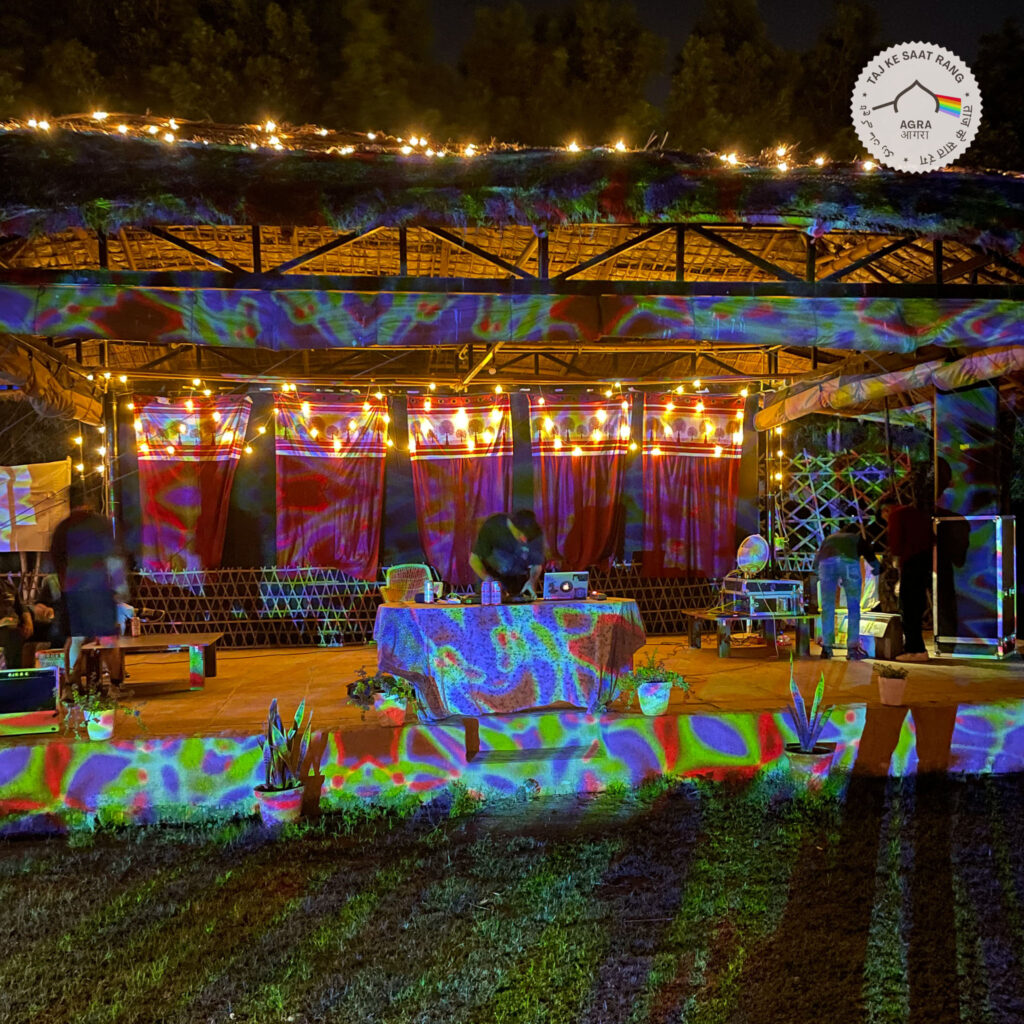 While the city forms one layer of the festival, Kala Kutir forms another.
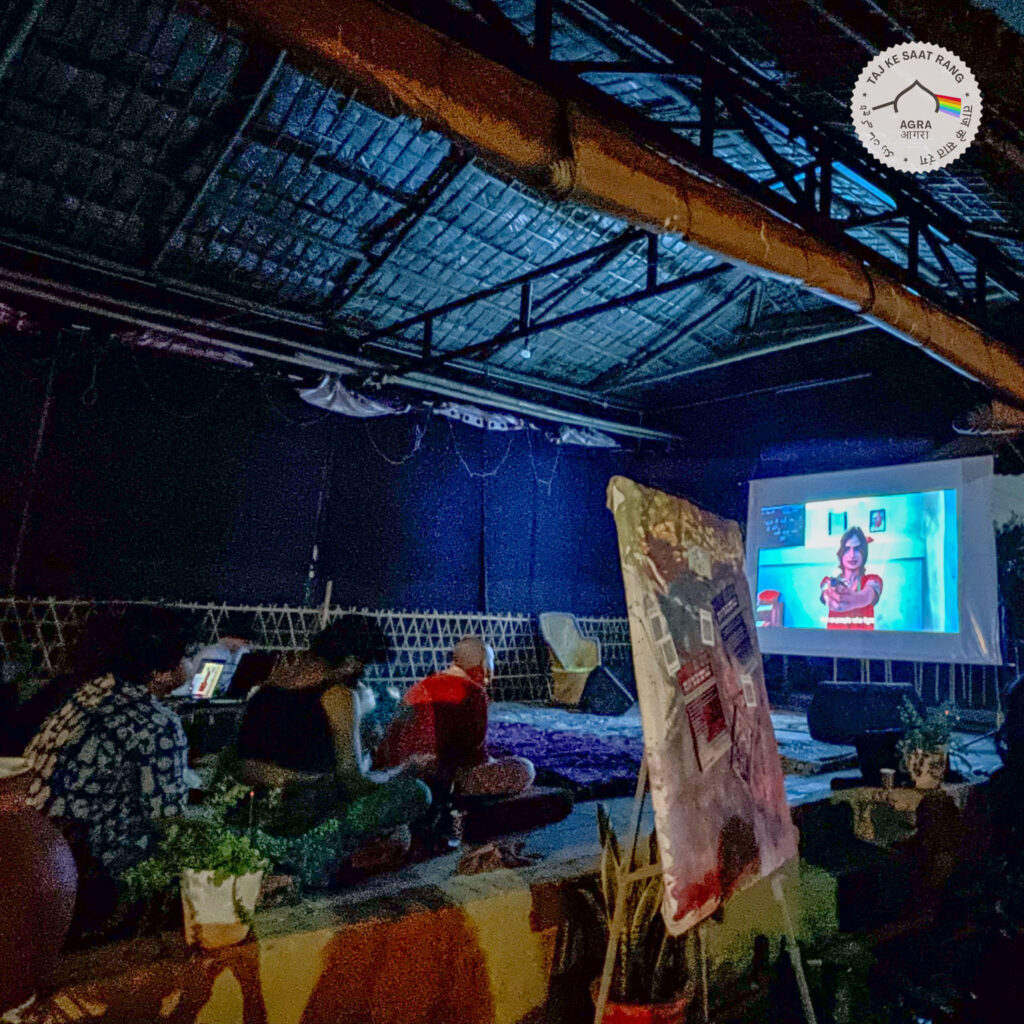
Located near the Taj Mahal, Kala Kutir functions as an art-led cultural space where conversations, performances, screenings, and community interactions unfold.
At Taj ke Saat Rang, Kala Kutir becomes a site of encounter.
Panel discussions question dominant narratives around identity and belonging.
Film screenings create opportunities for reflection.
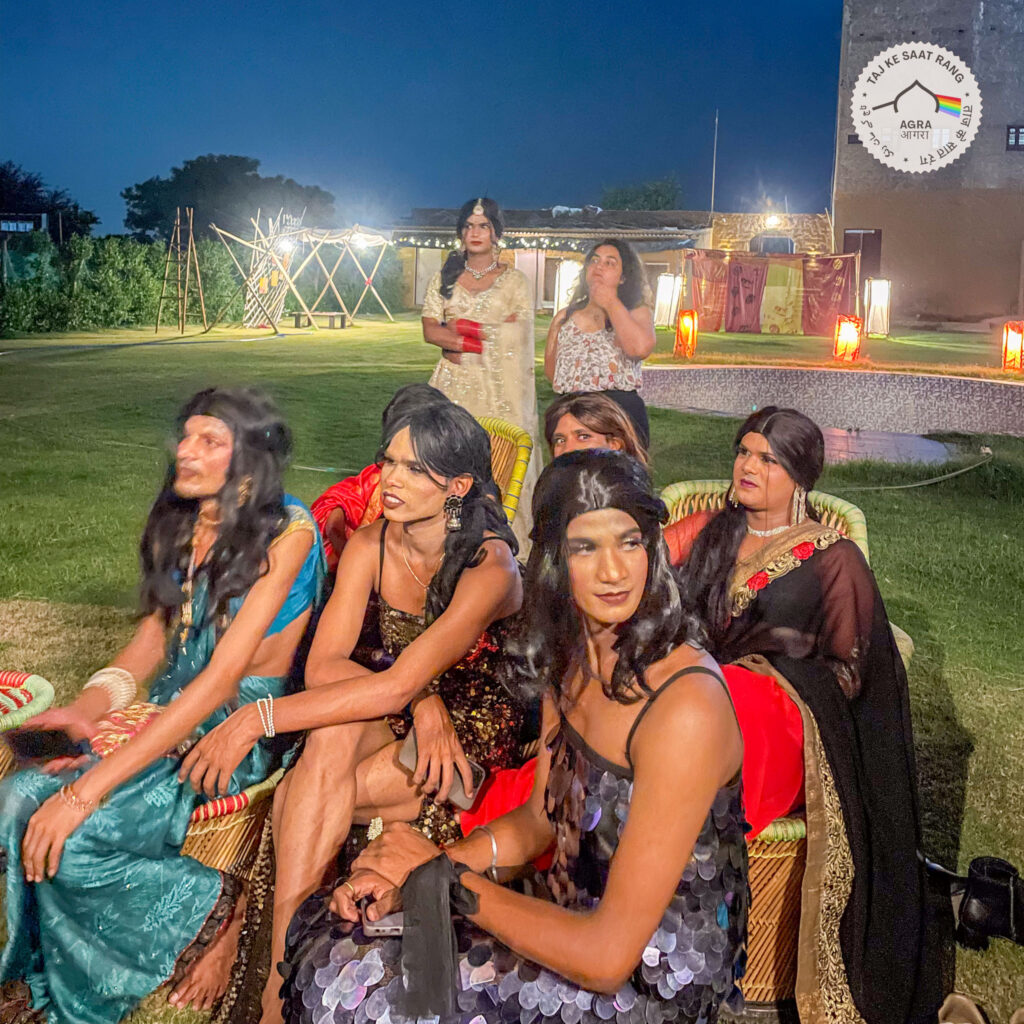
Performances transform personal experiences into collective expression.
Open mics invite vulnerability.
Shared meals create unexpected conversations.
These moments may appear ordinary, but they are often where community is built.
In many ways, the festival is not defined by its stages or programming.
It is defined by the relationships that emerge between people who may never have met otherwise.
Beyond Visibility: Towards Belonging
Many conversations around queer culture focus on visibility.
Visibility matters.
But visibility alone is not enough.
A person can be visible and still feel unsafe.
They can be represented and still feel excluded.
Belonging requires something deeper.
It requires spaces where people can participate without constantly explaining themselves.
It requires environments built on respect, curiosity, and care.
This is what Taj ke Saat Rang seeks to create.
Not merely a platform for performance.
Not merely a celebration.
But a space where people can experience what genuine coexistence feels like.
Reimagining the Future of Queer Culture in India
As queer cultural festivals across India continue to grow, the next challenge is not simply expansion—it is decentralisation.
The future of queer culture cannot belong only to metropolitan centres.
It must also emerge from smaller cities, regional communities, heritage towns, and local cultural ecosystems.
Agra has the potential to become one such space.
Taj ke Saat Rang is a small but significant step in that direction.
It demonstrates that queer cultural work can emerge from heritage contexts.
That conversations around identity can coexist with conversations around history.
That community-building can happen through art, food, storytelling, and shared experiences.
Most importantly, it reminds us that cities are never finished.
They are constantly being rewritten by the people who inhabit them.
And perhaps queering a city is not about changing its monuments.
Perhaps it is about expanding the stories those monuments are allowed to hold.
Because every city contains more stories than it tells.
And every act of belonging begins with making space for another one.